For grown-ups
12 adventures. 12 ways to grow.
Children come for the forest. Learning travels home with them.
Across the series, Billy and her friends explore belonging, empathy, confidence, kindness, curiosity, cooperation and courage. Each book also opens a door to language, animals, nature and conversation — without turning storytime into a lesson.
Six things the forest keeps returning to
- Friendship & Belonging
Noticing who is alone, making room, and beginning again together.
- Feelings & Empathy
Naming what characters feel, and wondering why they feel it.
- Confidence & Voice
Quiet voices, big voices, and the right to be heard either way.
- Kindness & Cooperation
Sharing, planning together, and choosing what helps everyone.
- Curiosity & Discovery
Following clues, asking questions and looking twice.
- Courage & Resilience
Small steps, second tries, and staying beside someone who feels unsure.
A growing journey through 12 stories
Belong → be yourself → understand others → cooperate → recover → explore → share → dream → find your voice → make friends → help others → find courage.
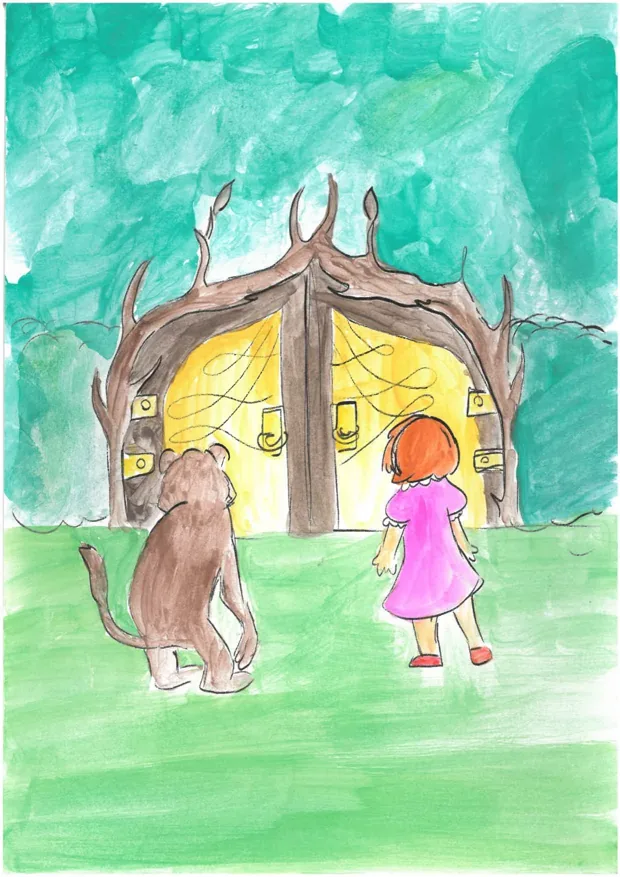
Billy and the Wild Forest
 1
1Billy and the Wild Forest
Belong
Billy and the Wild Forest
- Belonging
- Friendship
- Welcoming others
Billy and the Wild Forest
 2
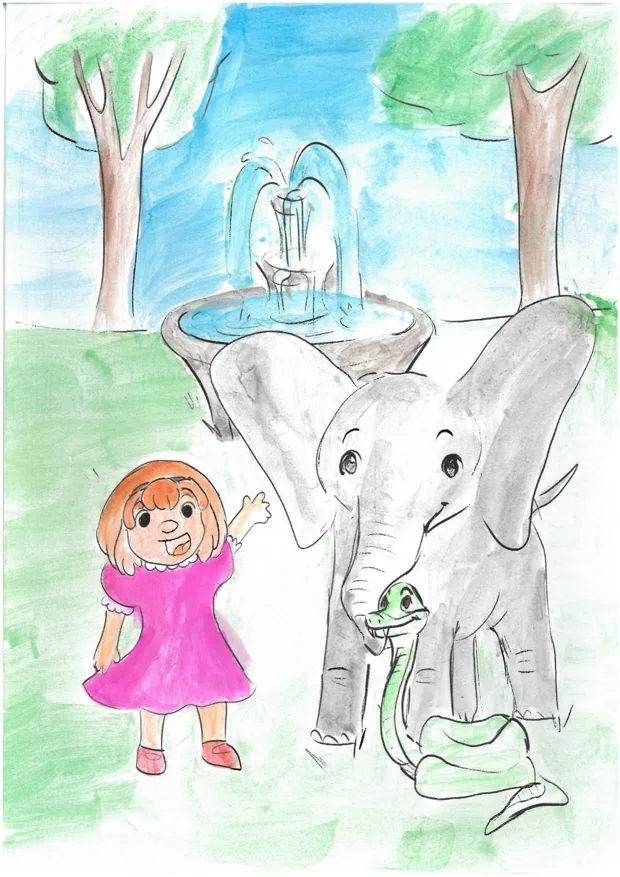
2Billy and the Singing Fountain
Be yourself
Billy and the Singing Fountain
- Self-confidence
- Inclusion
- Being yourself
Billy and the Wild Forest
 3
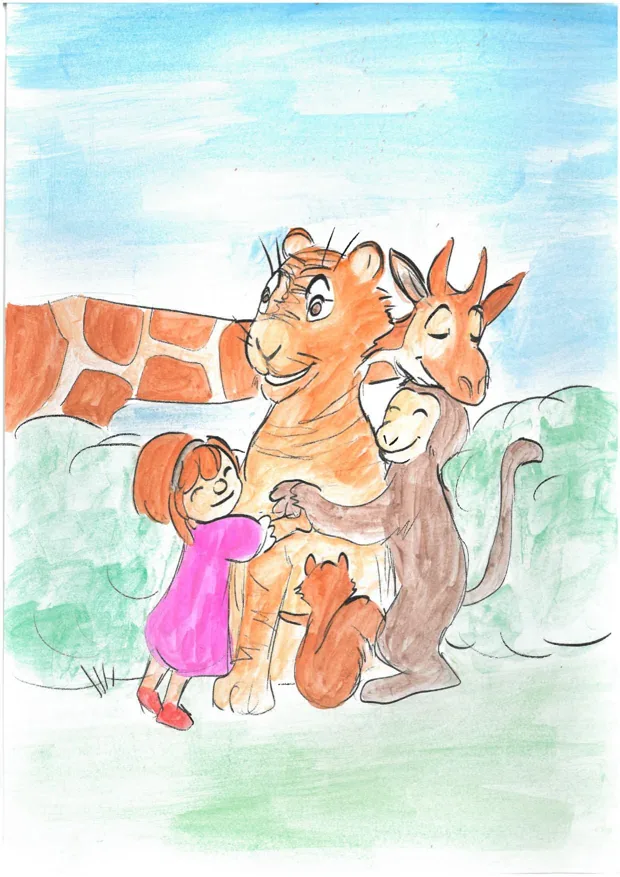
3Billy and the Pawprint Mystery
Understand others
Billy and the Pawprint Mystery
- Empathy
- Looking beyond appearances
- Managing worries
Billy and the Wild Forest
 4
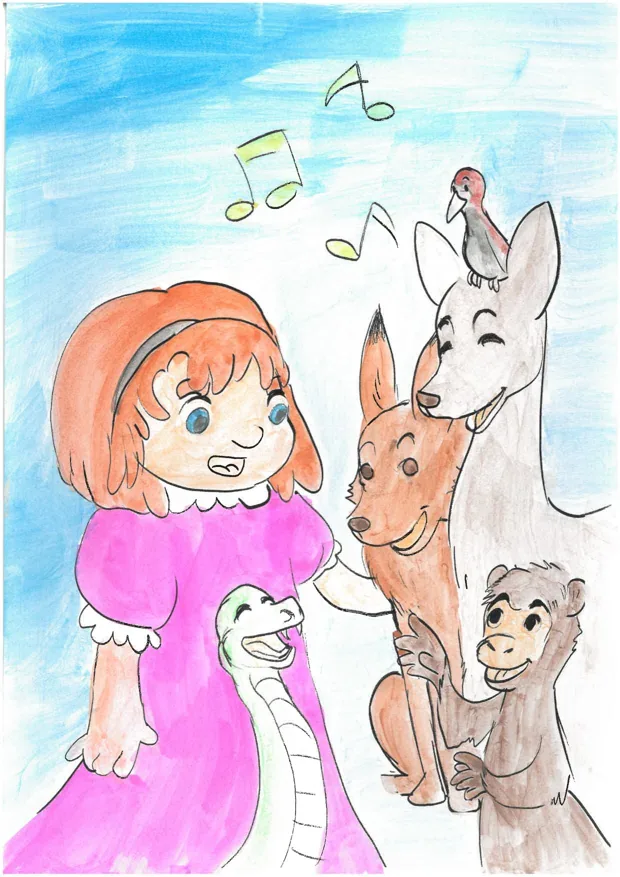
4Billy and the Winter Feast
Cooperate
Billy and the Winter Feast
- Cooperation
- Planning ahead
- Sharing
Billy and the Wild Forest
 5
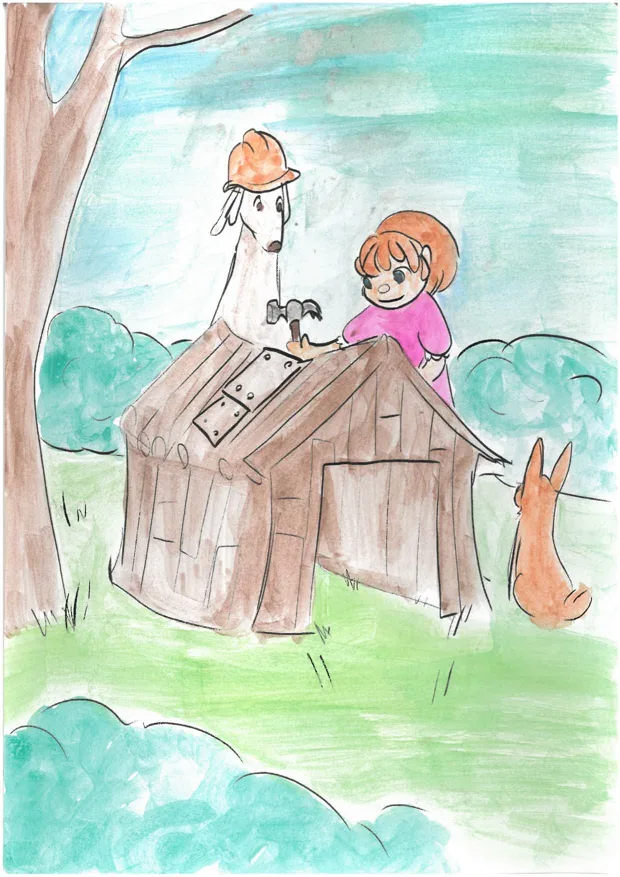
5Billy and Mango’s Broken House
Recover
Billy and Mango’s Broken House
- Resilience
- Teamwork
- Hope
Billy and the Wild Forest
 6
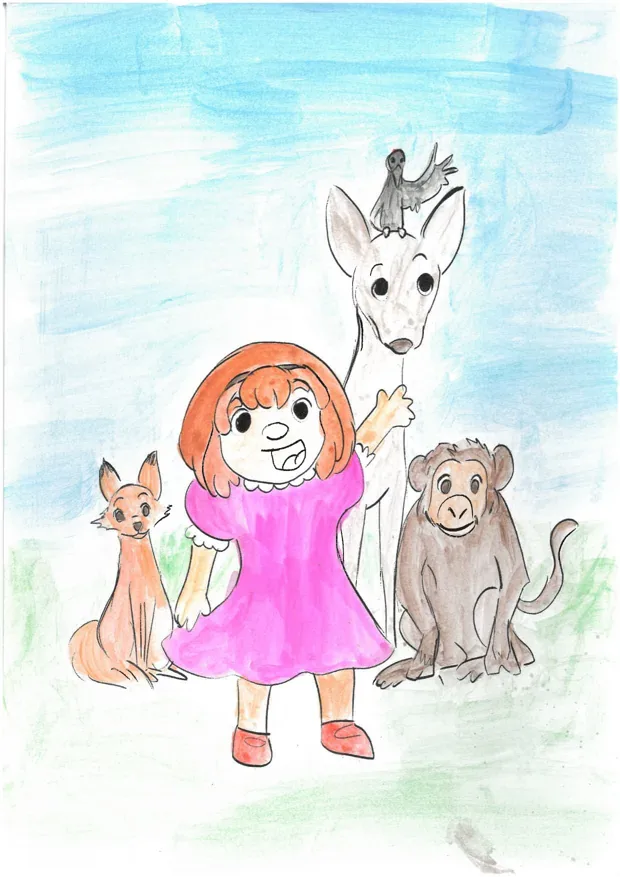
6Billy and the Butterfly Trail
Explore
Billy and the Butterfly Trail
- Curiosity
- Observation
- Shared joy
Billy and the Wild Forest
 7
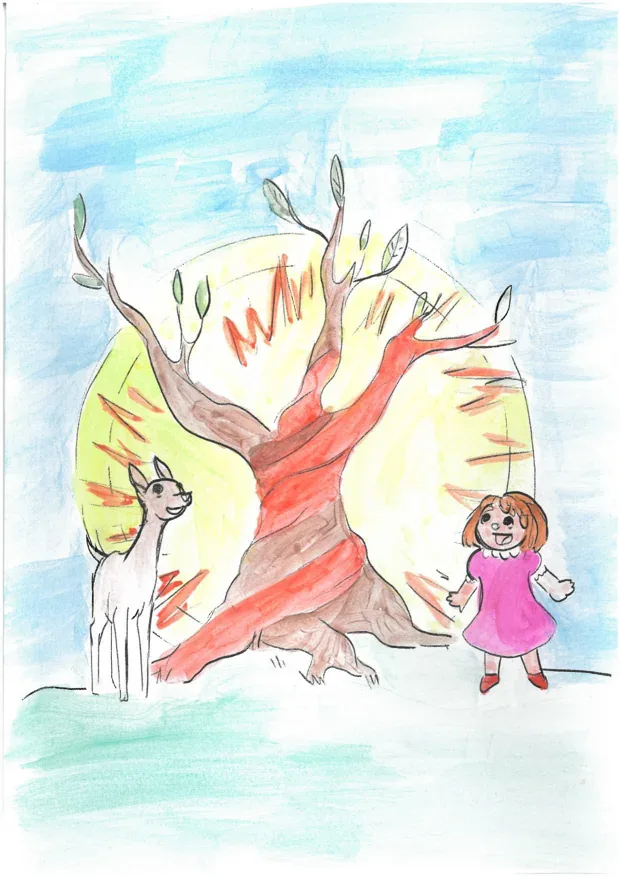
7Billy and the Wishing Tree
Share
Billy and the Wishing Tree
- Kindness
- Generosity
- Gratitude
Billy and the Wild Forest
 8
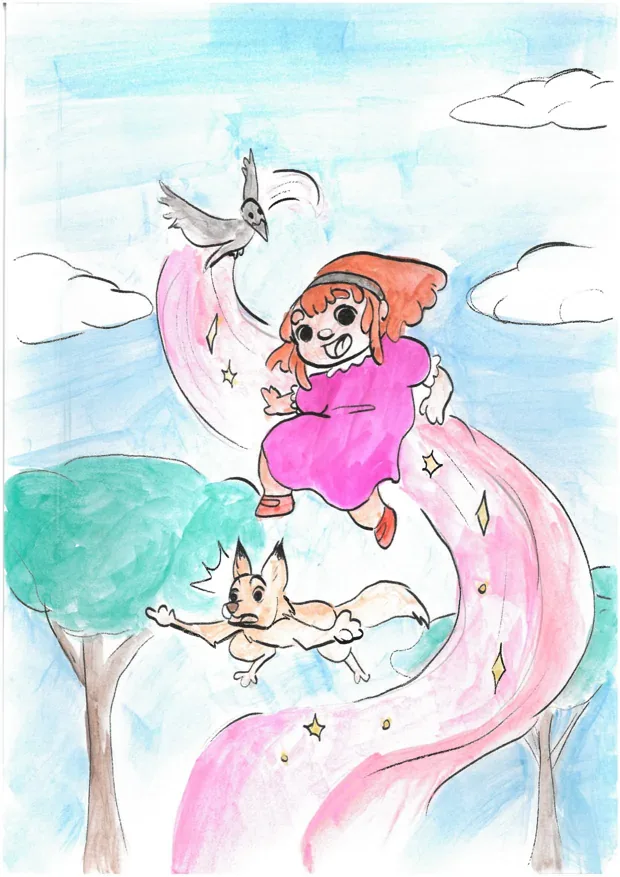
8Billy and the Fox Who Wanted to Fly
Dream
Billy and the Fox Who Wanted to Fly
- Imagination
- Trying new things
- Self-acceptance
Billy and the Wild Forest
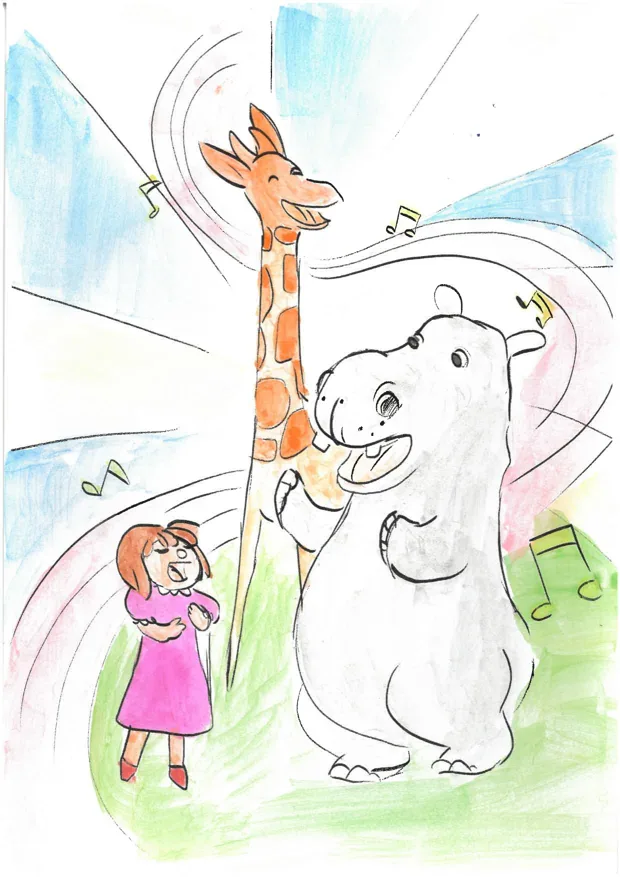 9
9Billy and Willow’s Song
Find your voice
Billy and Willow’s Song
- Self-expression
- Listening
- Confidence
Billy and the Wild Forest
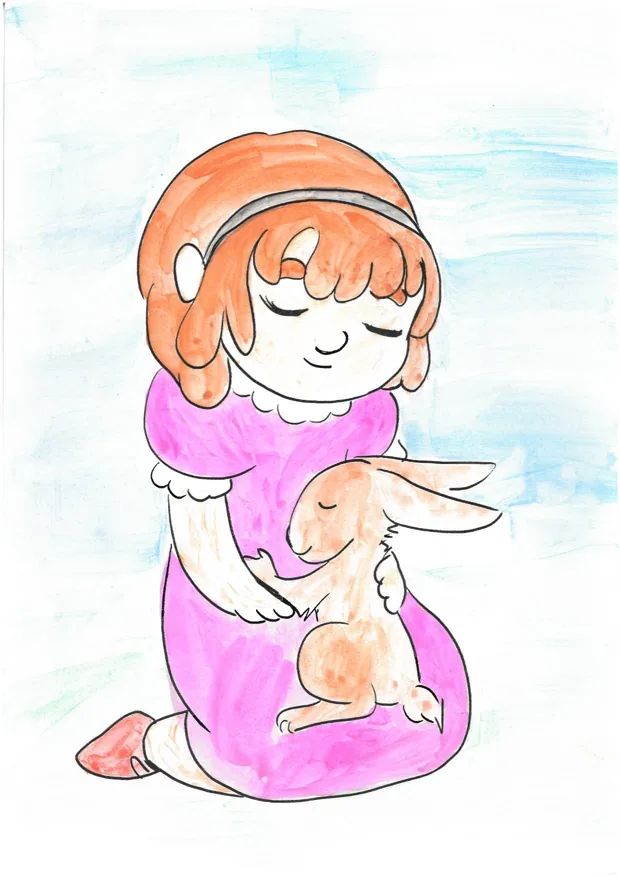 10
10Billy and the Rabbit’s First Friend
Make friends
Billy and the Rabbit’s First Friend
- Friendship skills
- Patience
- Social confidence
Billy and the Wild Forest
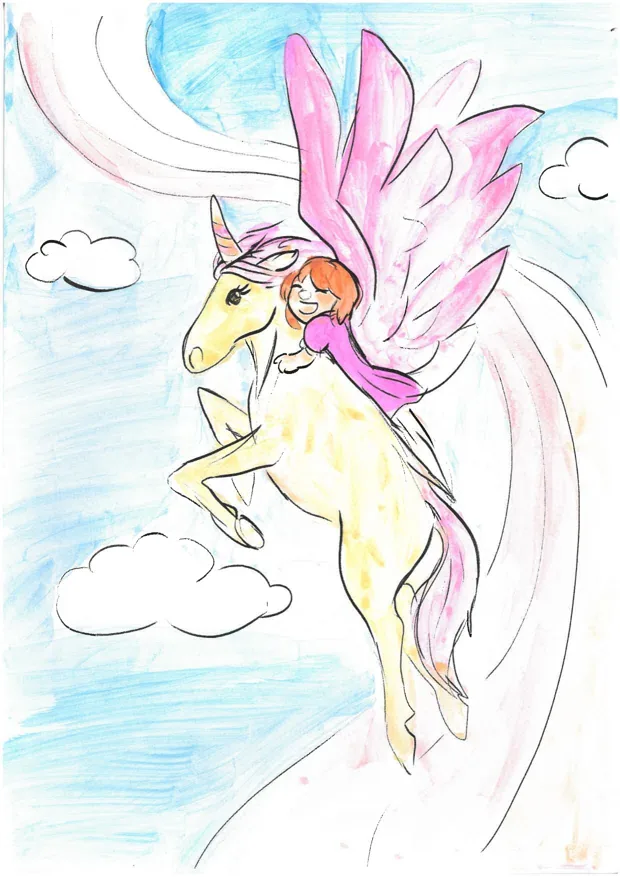 11
11Billy and the Rainbow Pegasus
Help others
Billy and the Rainbow Pegasus
- Helping others
- Asking for help
- Belonging
Billy and the Wild Forest
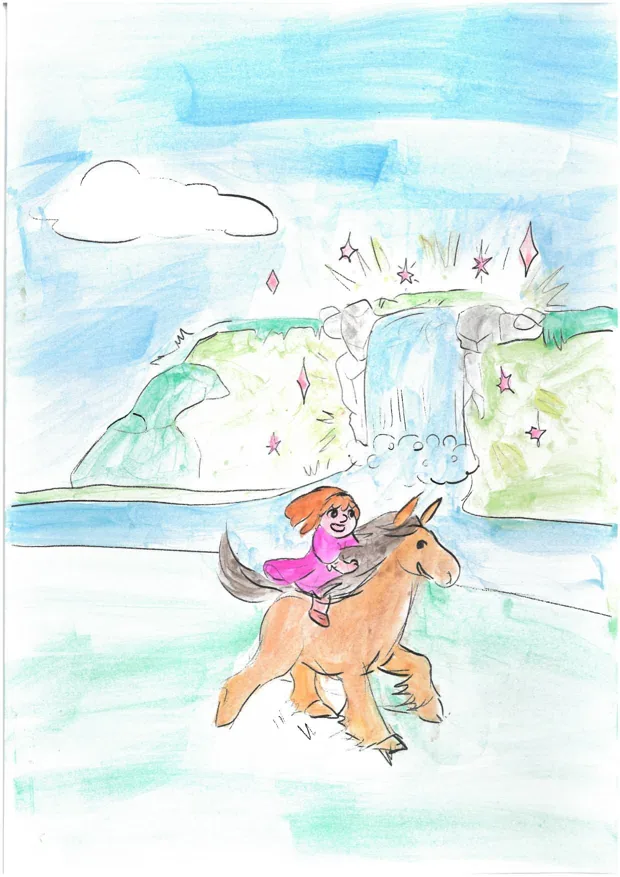 12
12Billy and the Horse Who Found His Courage
Find courage
Billy and the Horse Who Found His Courage
- Courage
- Persistence
- Trust
What each forest friend brings
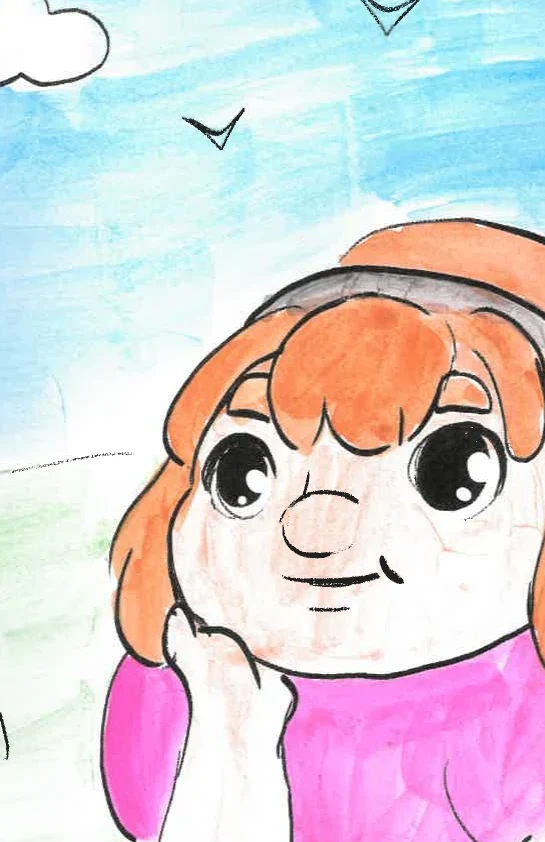
Billy
Curiosity with courage
Billy notices how others feel, asks questions and helps without taking over. She models empathy, gentle leadership and the idea that courage can begin with one small step.
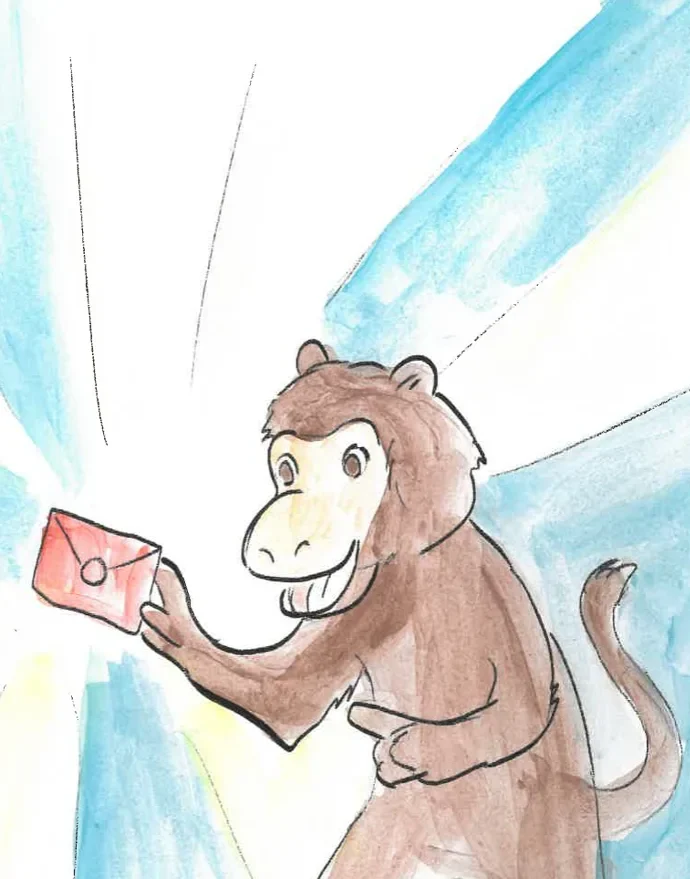
Mango the Monkey
Welcome, play and optimism
Mango is often the first to invite, include or turn work into fun. He shows how warmth and play can help people feel part of a group.
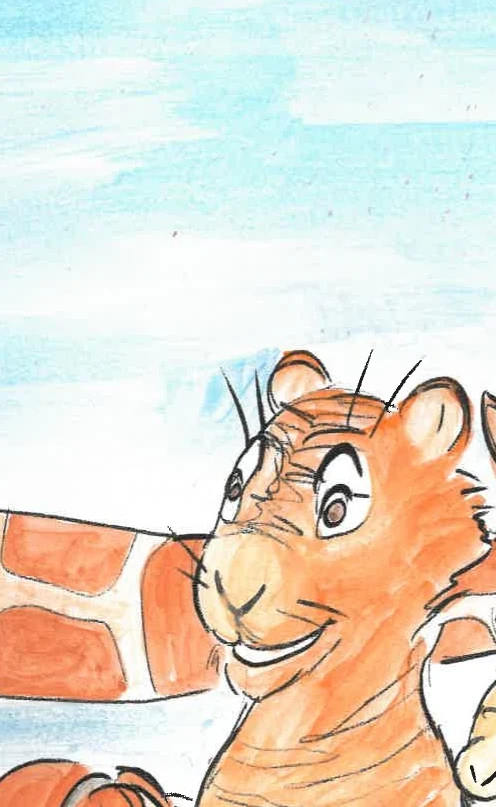
Rumble the Tiger
Gentle strength
Rumble looks powerful but can be hurt, afraid or in need of help. He helps children look beyond appearances and understand that strong people can be vulnerable too.
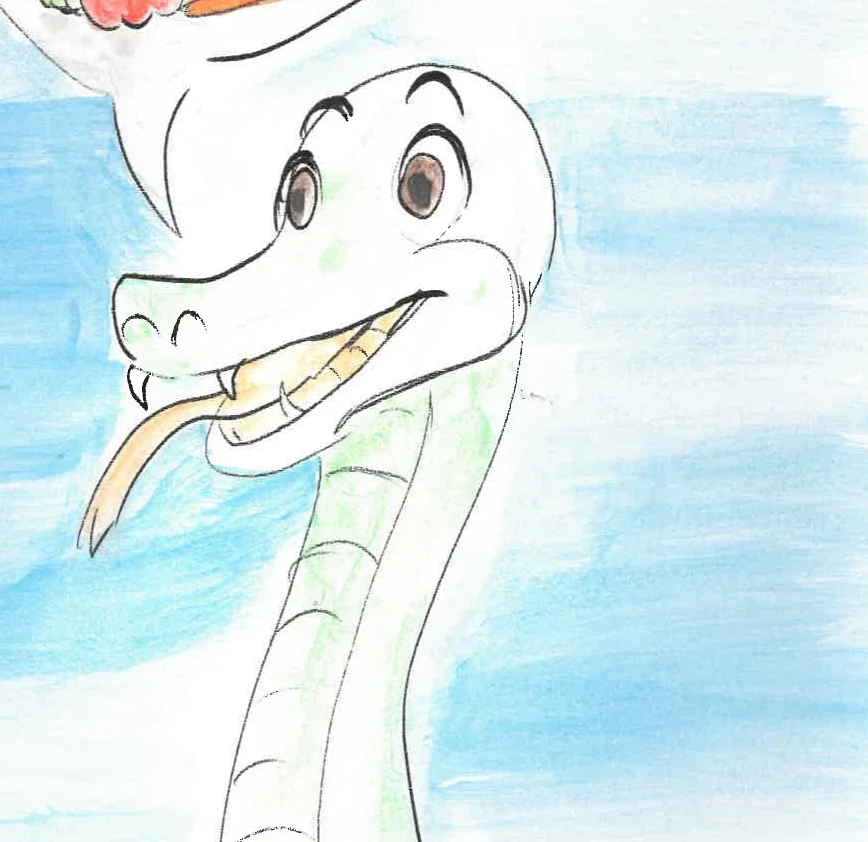
Sisi the Snake
Foresight and care
Sisi listens, notices change and thinks ahead for the group. She brings planning, calm observation and community care.
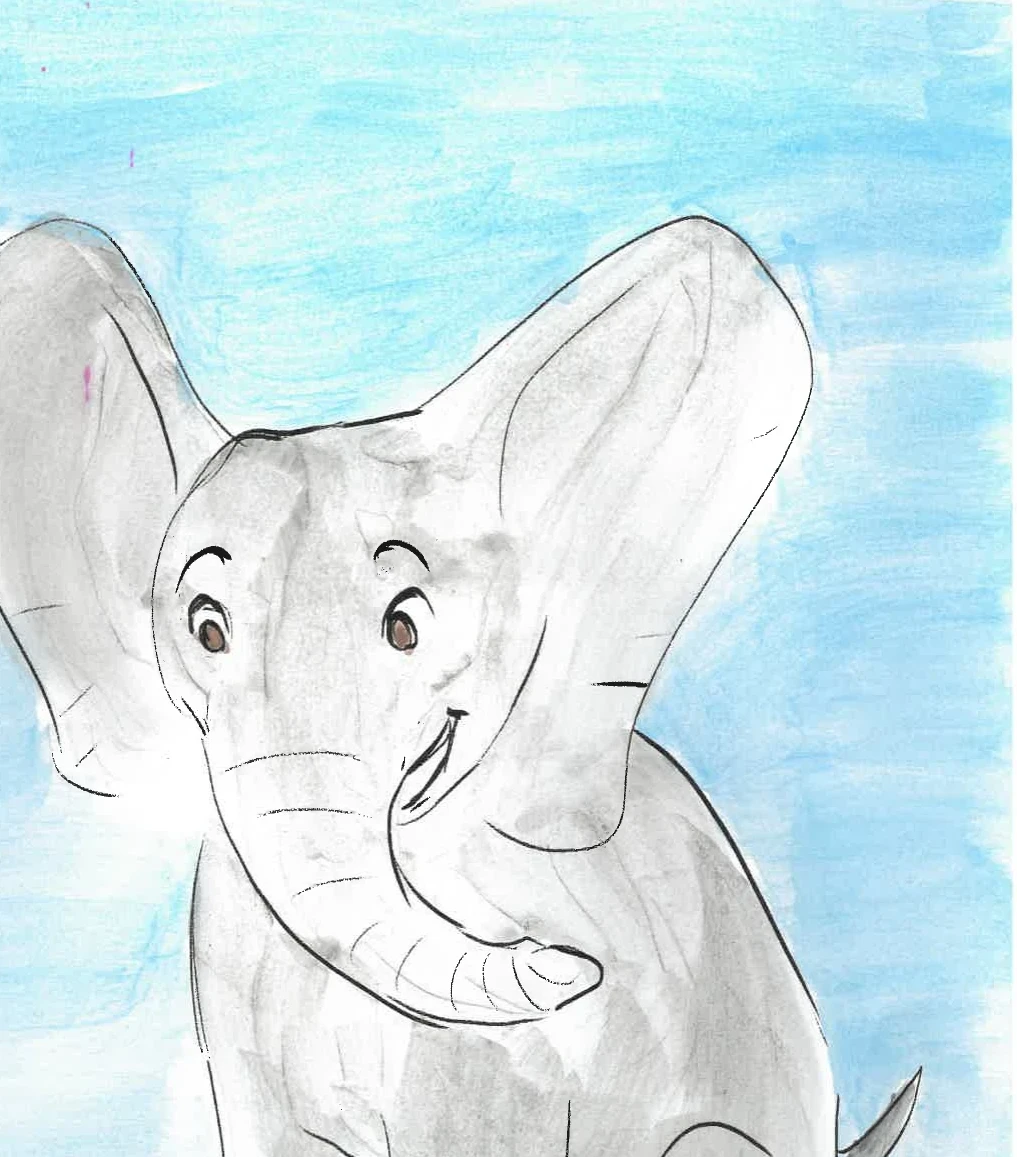
Bramble the Elephant
Your own rhythm
Bramble worries that his big feet make him wrong for the dance, then discovers the music needs exactly what makes him different.
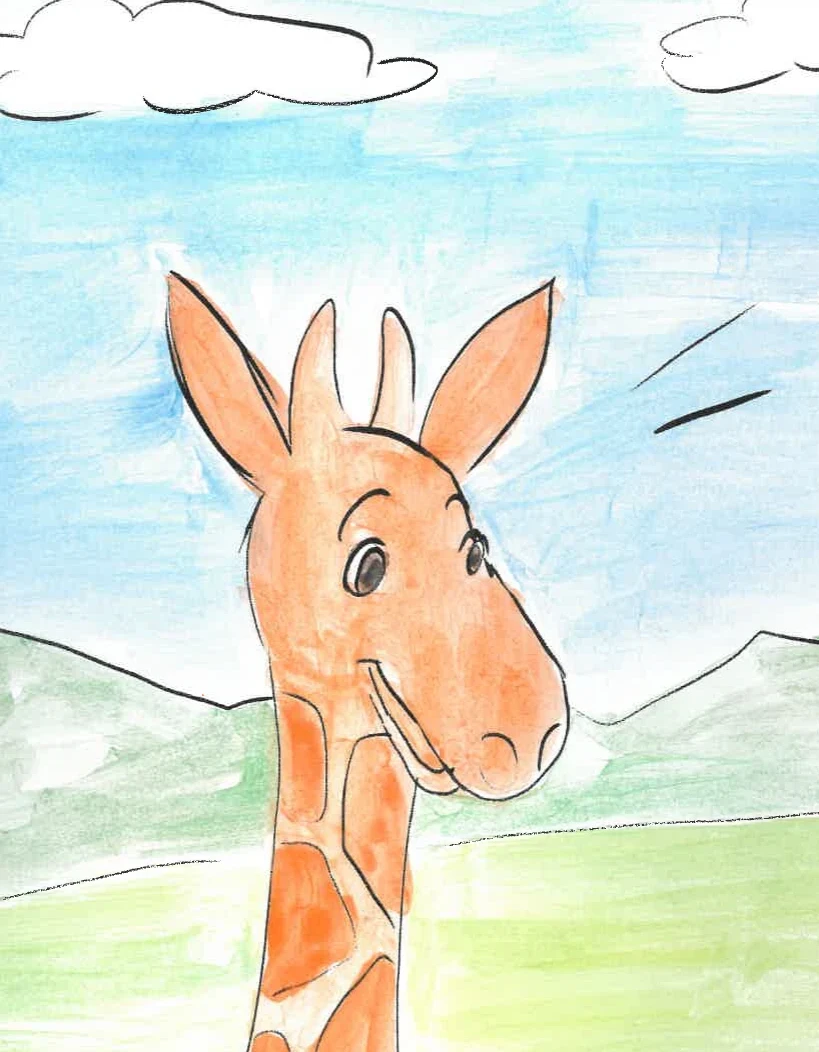
Willow the Giraffe
A quiet voice still matters
Willow can see far across the forest yet struggles to believe her soft voice belongs. She represents quiet confidence, observation and self-expression.
Fern the Deer
Gentleness and generosity
Fern's kindness is active: she guides, shares and wishes for others. She brings loyalty, generosity and care.
Pip the Fox
Curiosity and aspiration
Pip wants to know, find and try. His flying adventure celebrates imagination while showing that self-acceptance and ambition can live together.
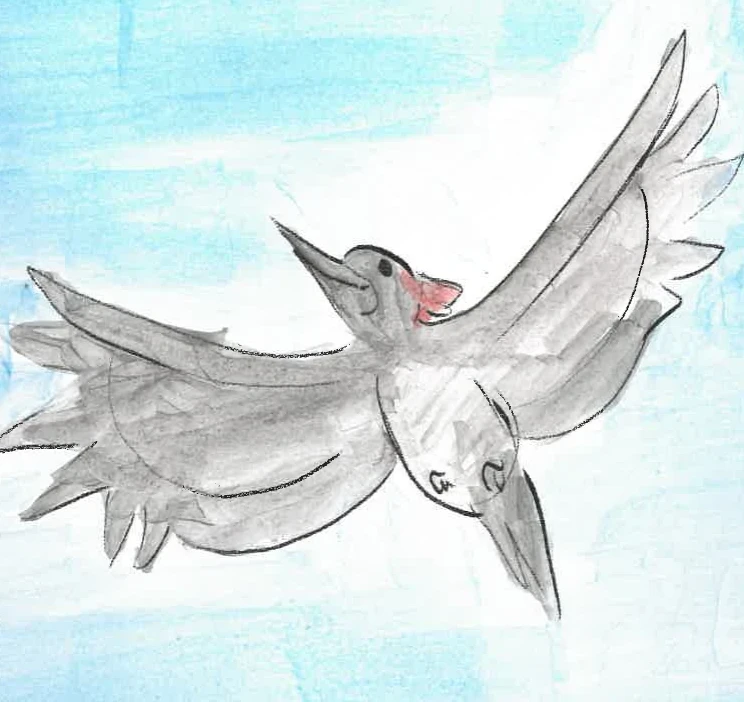
Kiki the Bird
Communication and contribution
Kiki spreads the word and helps the group coordinate. She shows that communication is one way of caring for a community.
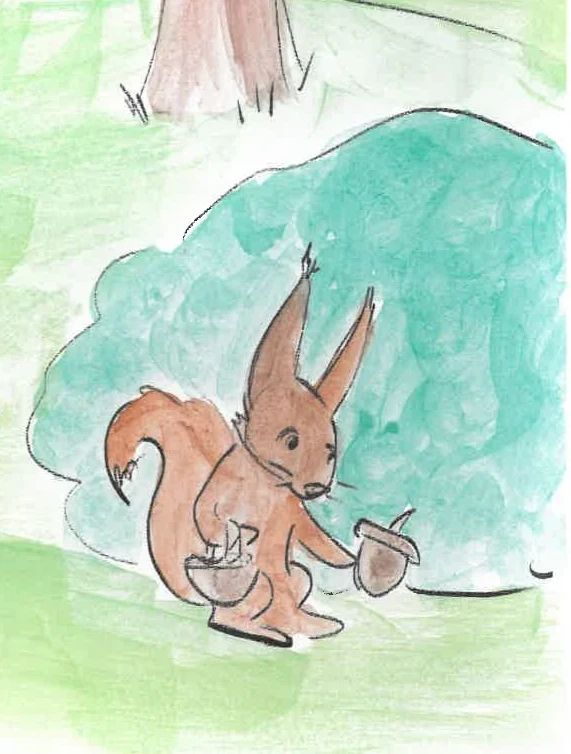
Nutmeg the Squirrel
Caution that can learn
Nutmeg is quick to worry, but he also learns from new information. He gives children a way to explore worries, preparation and changing an assumption.
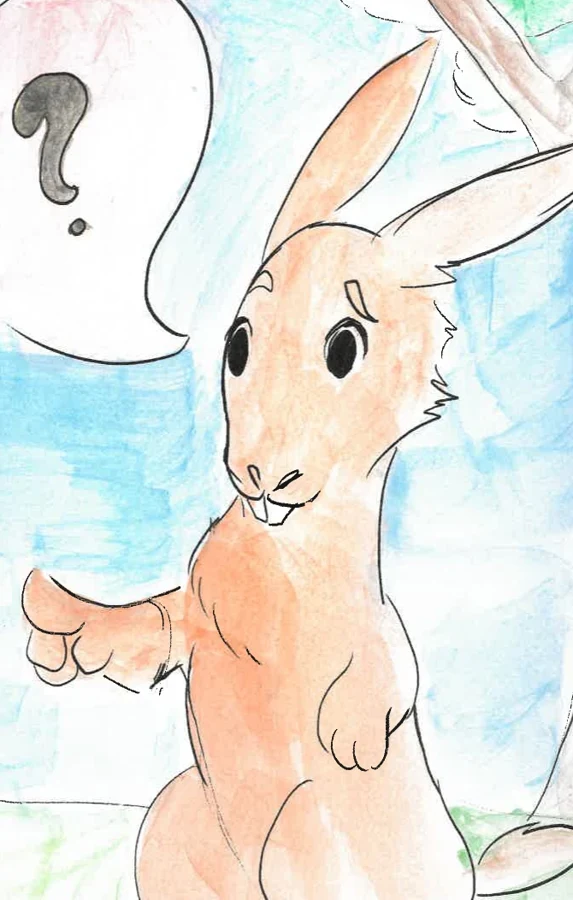
Clover the Rabbit
Social courage
Clover is shy and inexperienced with friendship. His story shows that hello, patience and one small paw held out can be enough for a beginning.
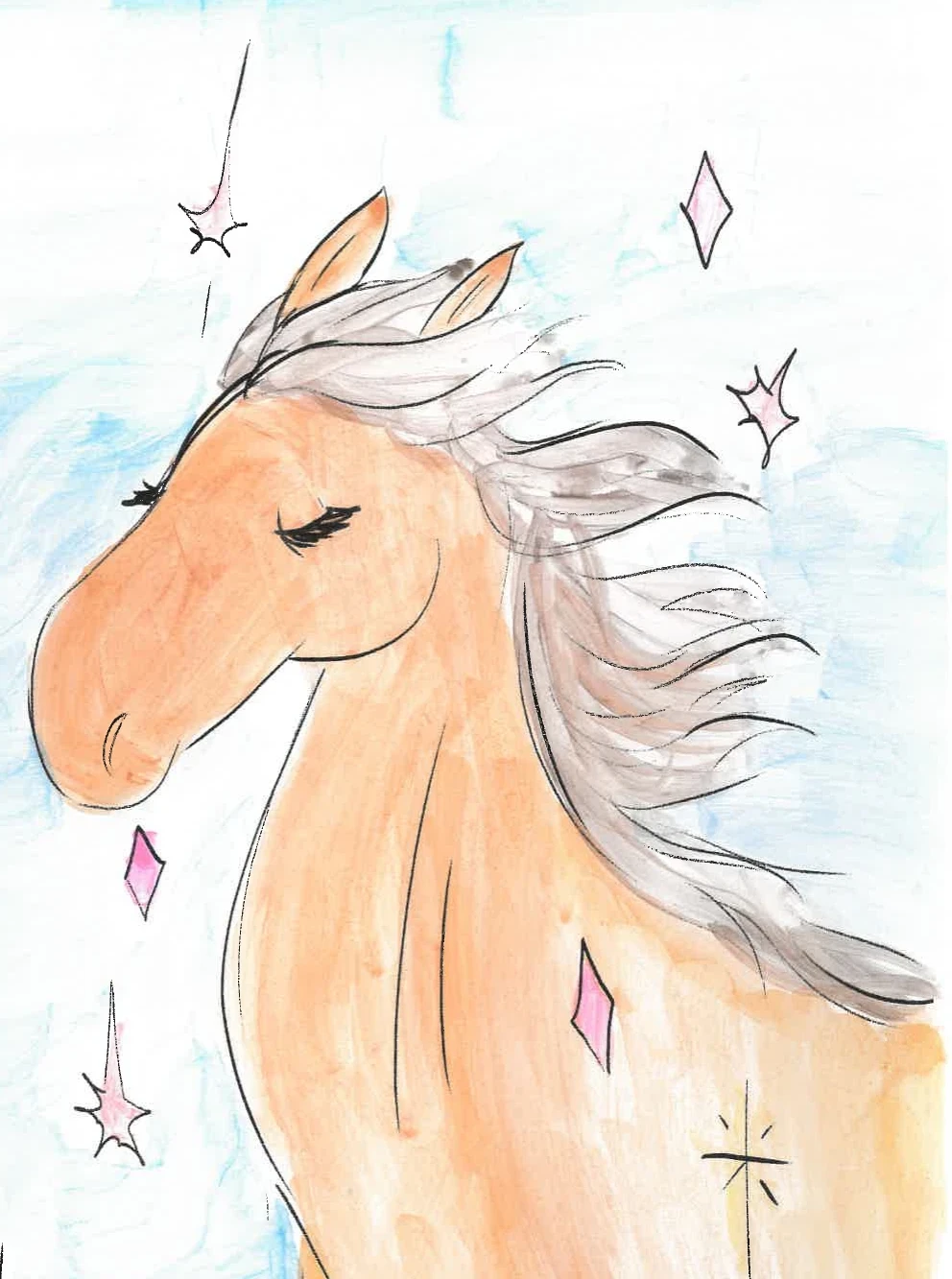
Ember the Horse
Courage grows step by step
Ember does not become fearless. He learns the path gradually and builds trust, showing persistence and supported courage.
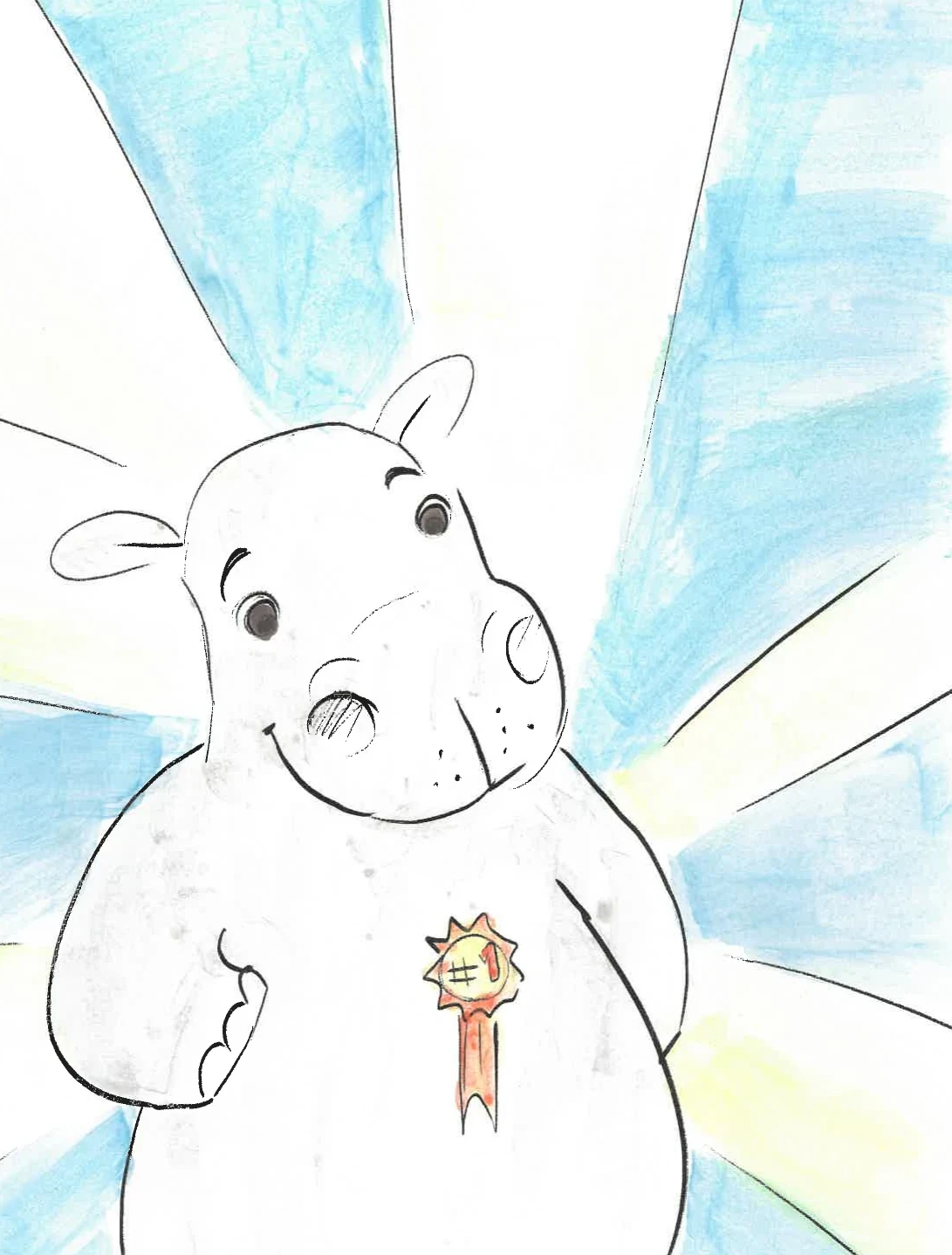
Hugo the Hippo
Confidence that makes room
Hugo has a huge voice but does not need to be the only voice. He models expressive confidence and how to invite someone quieter in.
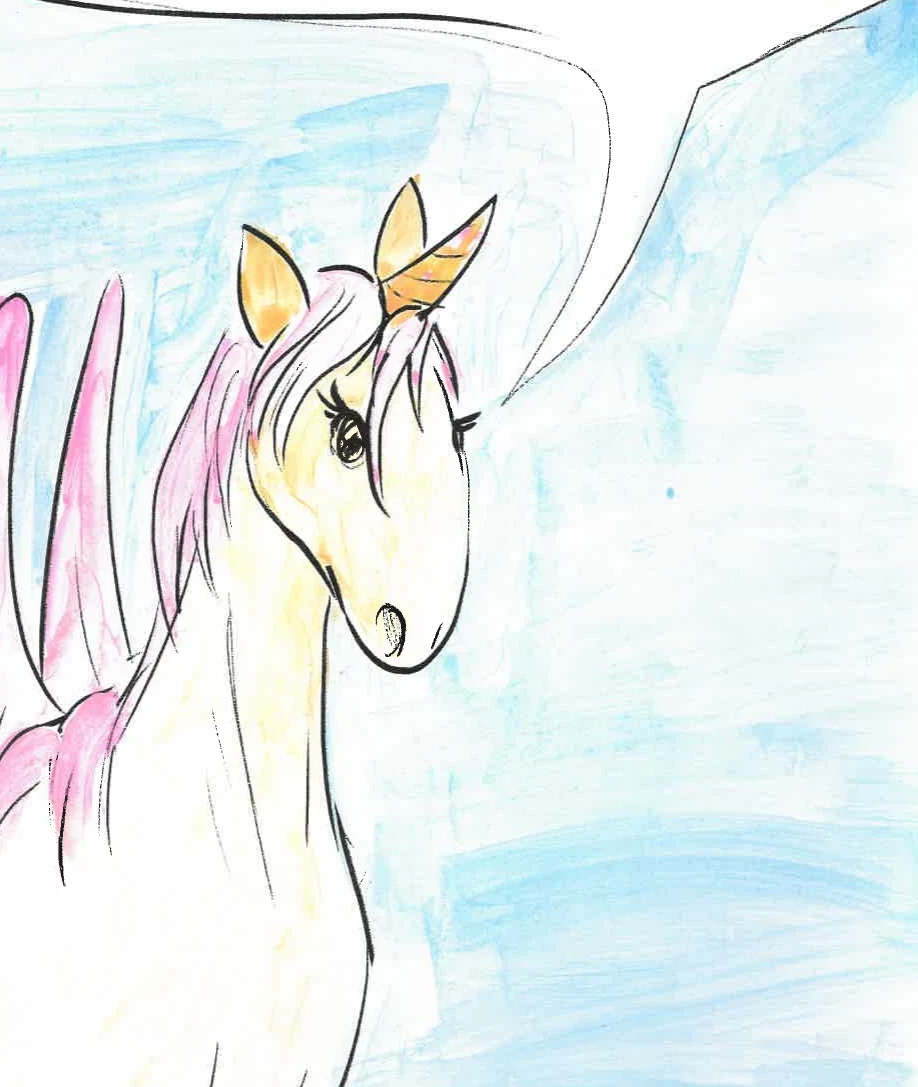
Luma the Pegasus
Wonder, vulnerability and finding home
Luma brings fantasy into the learning layer: she asks for help when lost and gives children a clear chance to compare real animals with imaginary creatures.
Story → conversation → discovery
1 · The story
A child simply enjoys the adventure. Nothing is explained, tested or interrupted — the forest is magical first.
2 · The conversation
Afterwards, a grown-up can talk about how characters felt and what they chose, using the three gentle questions on each book page.
3 · The discovery
A separate 'in the real world' card offers a few brief facts, so factual learning is never mixed up with talking animals.
In the real world…
Butterflies
Insect
- Butterflies have six legs.
- Their wings are covered in tiny scales.
Following a sequence of clues, one after another.
In the real world…
Hippos
Mammal
- Hippos spend much of the day in water.
- Their eyes, ears and nostrils sit high on the head, so they can stay mostly under water.
In the Wild Forest…
Pegasus
Mythical creature — not a real animal
- A pegasus is imaginary: it comes from old stories, not from nature.
- A horse is real. Comparing the two is a lovely real-versus-imaginary game.
Why talking about stories matters
Billy and the Wild Forest has not been clinically tested as an educational intervention. The learning layer is informed by wider research on shared storybook reading and conversation with children.
Shared storybook reading and word learning
Flack, Field & Horst (2018), a meta-analysis of 38 studies with 2,455 children, reported that shared reading supported new-word learning, and that dialogic, interactive reading was one factor associated with stronger learning.
PubMed · PMID 29595311 (opens in a new tab)Picture-book sharing and language
Dowdall et al. (2020), a systematic review and meta-analysis of 19 randomized trials with 2,594 children, found that book-sharing interventions improved expressive and receptive language.
PubMed · PMID 30737957 (opens in a new tab)Talking about emotions
Grazzani Gavazzi & Ornaghi (2011), with 100 preschoolers, reported that emotion-rich stories combined with conversations supported emotion and inner-state language, and emotion understanding.
PubMed · PMID 21426620 (opens in a new tab)Discussing characters' beliefs and feelings
A preschool training study found that discussion of characters' beliefs and emotions improved false-belief understanding compared with simply reading the same books.
Cognitive Development · DOI 10.1016/j.cogdev.2015.07.001 (opens in a new tab)Emotion discussion in primary school
A study of 110 children found that discussion around illustrated emotional scenarios improved emotion comprehension, theory-of-mind and empathy measures, with emotion-understanding gains maintained at six months.
PubMed · PMID 24280639 (opens in a new tab)Effort and persistence
A 2024 study of 202 caregiver-child pairs found that emphasising effort during scientific storybook reading was associated with growth-mindset beliefs, hard-work attribution and greater persistence.
PubMed · PMID 38698731 (opens in a new tab)Why we keep real facts separate
Research suggests that anthropomorphic framing can sometimes affect what young children take away as fact about animals. That is why magical story behaviour and factual 'in the real world' cards are kept clearly apart on this site.
PubMed Central (opens in a new tab)
12 adventures, waiting in the forest
Read the first three pages of any book free, then talk about it together.
Explore the 12 books