



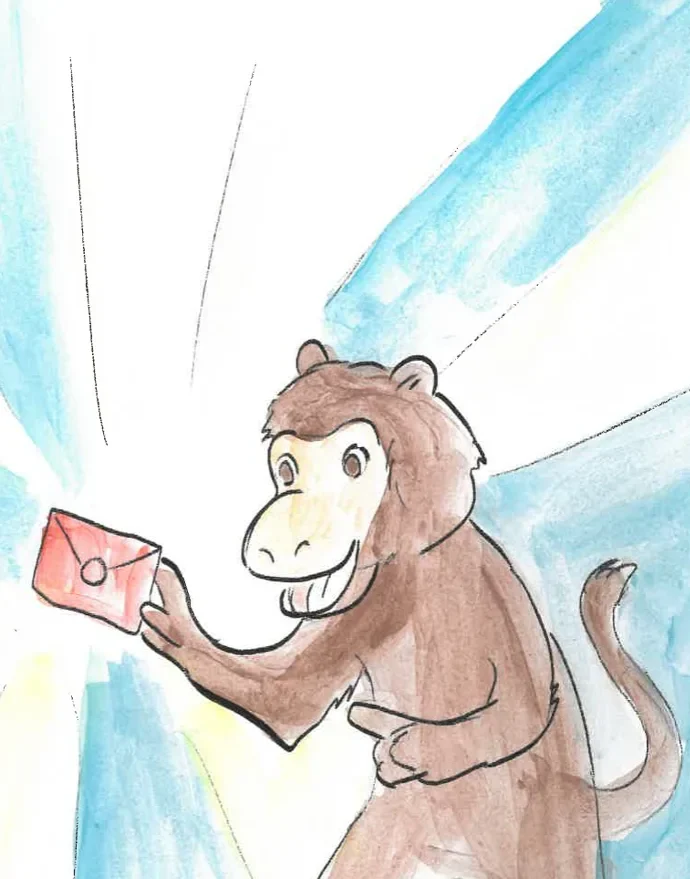
Mango the Monkey
Welcome, play and optimism
An illustrated storybook world
Twelve illustrated adventures with Billy, age seven, and the gentle animals of the Wild Forest.
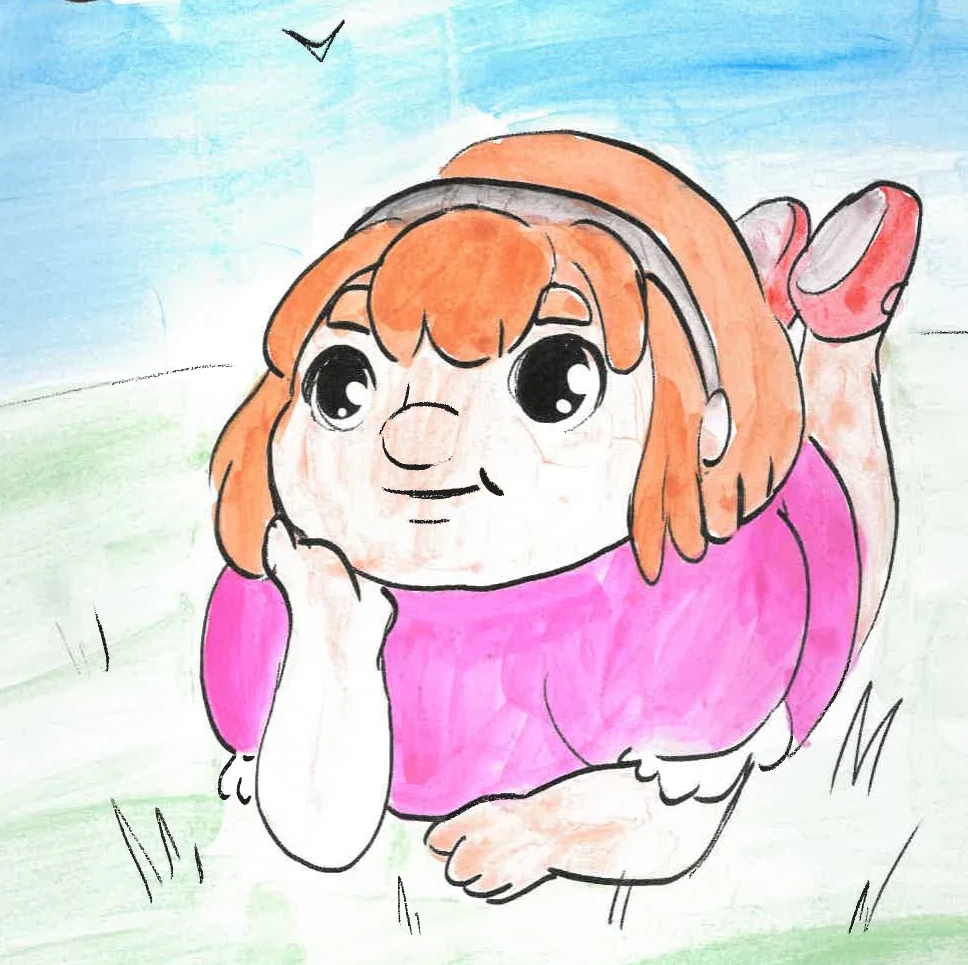
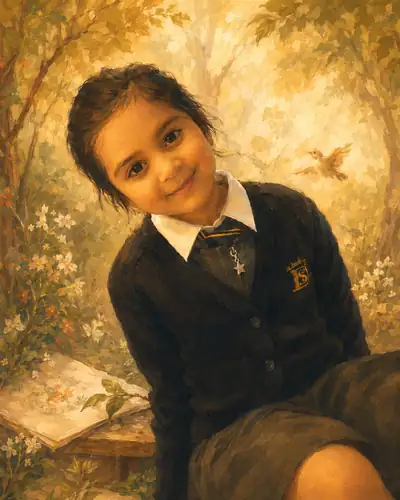
Billy is seven years old, endlessly curious and never quite on the path she was told to follow. Every morning the Wild Forest leaves a door open for her.
Meet BillyThe animals who find Billy before Billy finds them.
Welcome, play and optimism
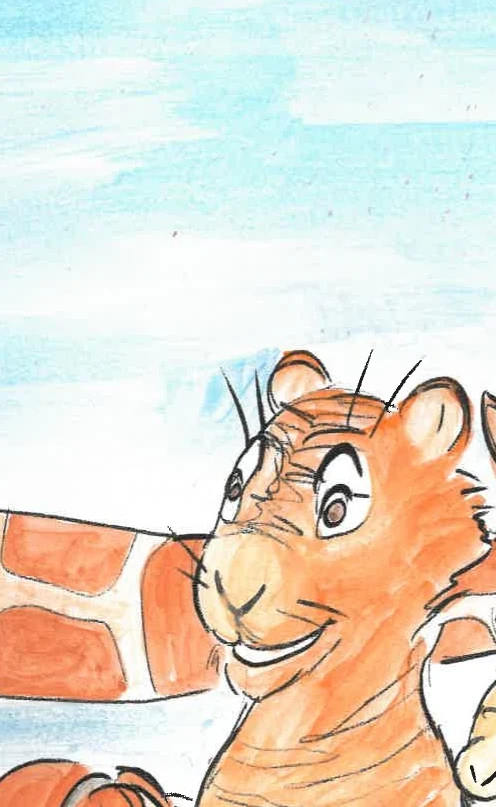
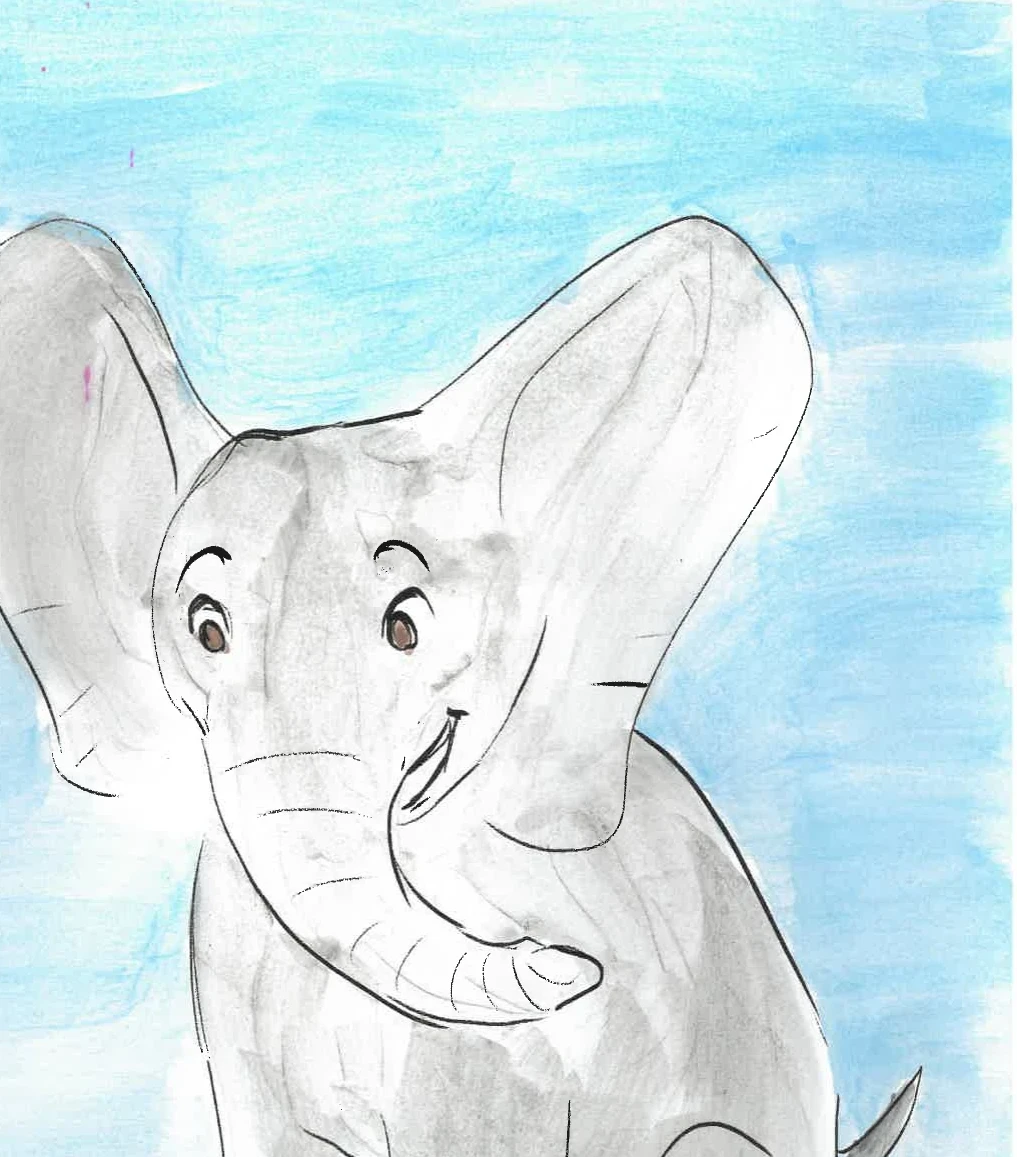
Gentle strength
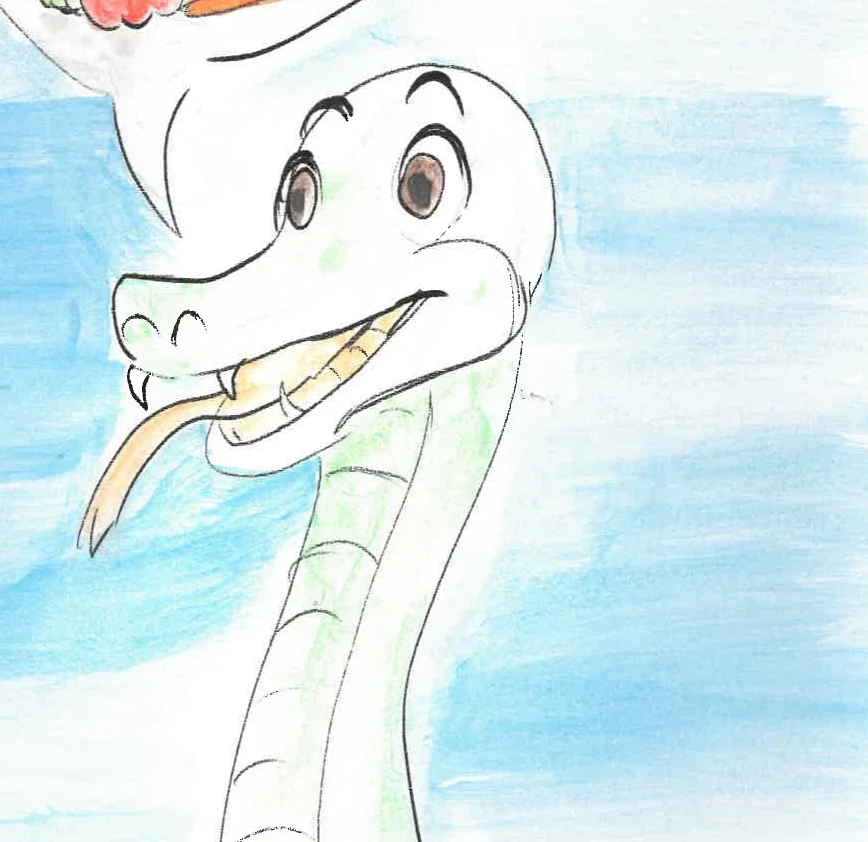
Foresight and care
Your own rhythm
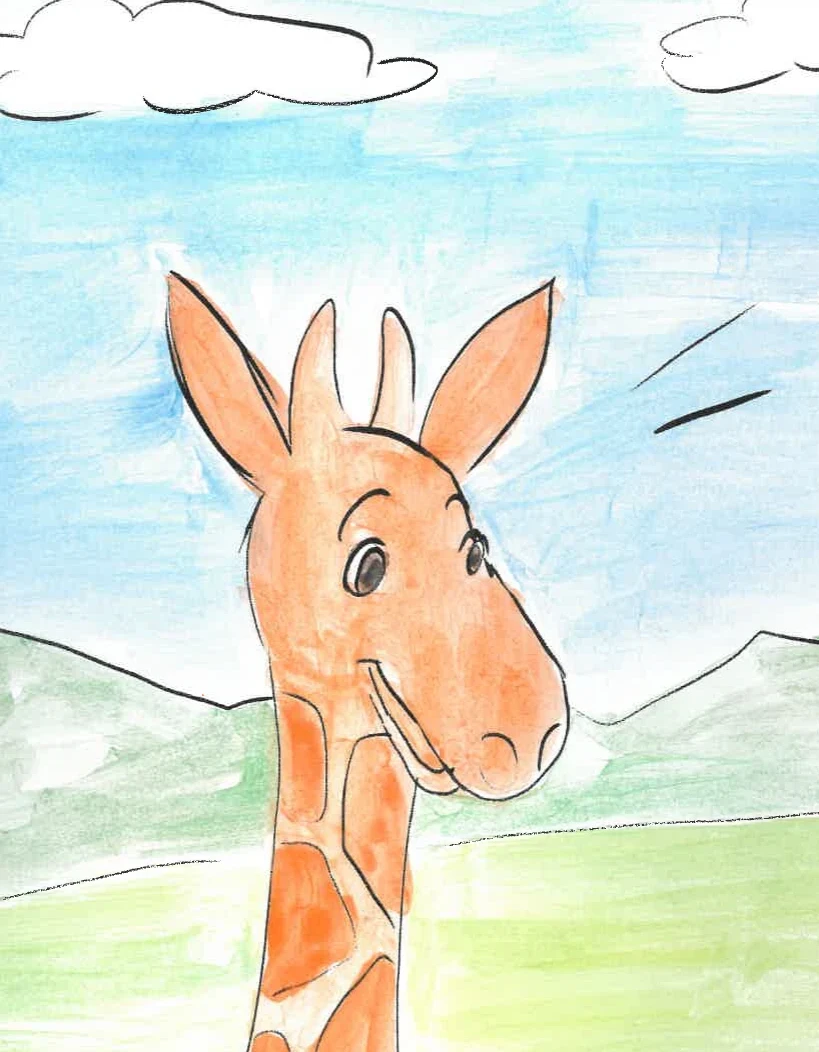
A quiet voice still matters
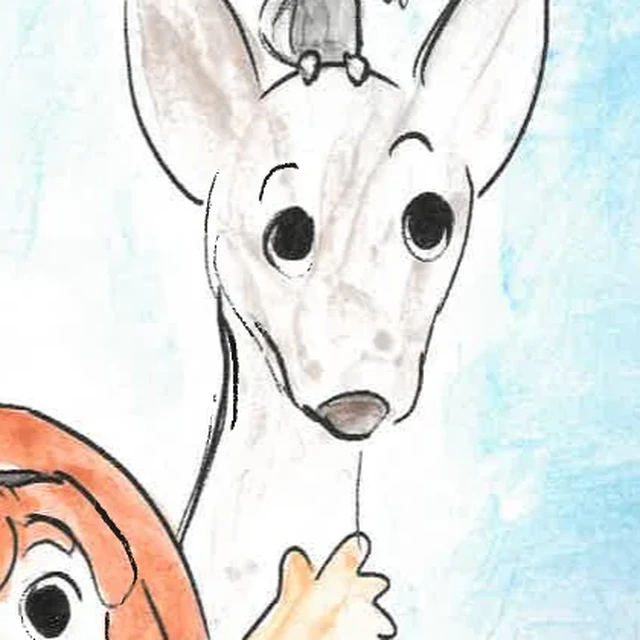
Gentleness and generosity
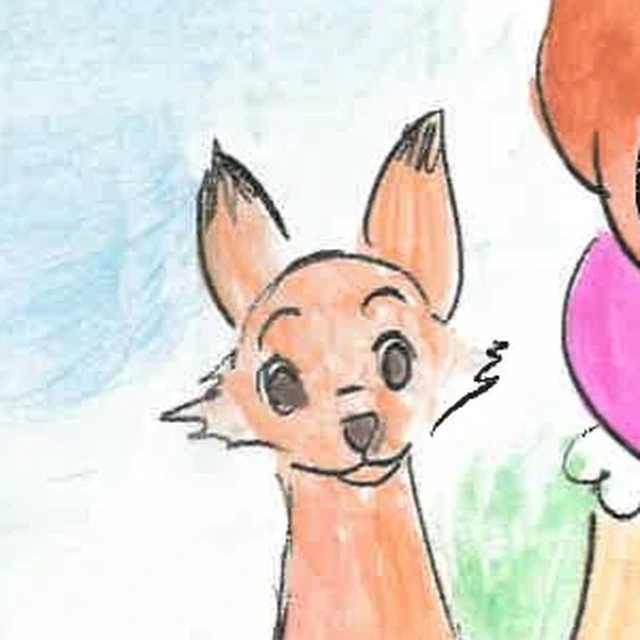
Curiosity and aspiration
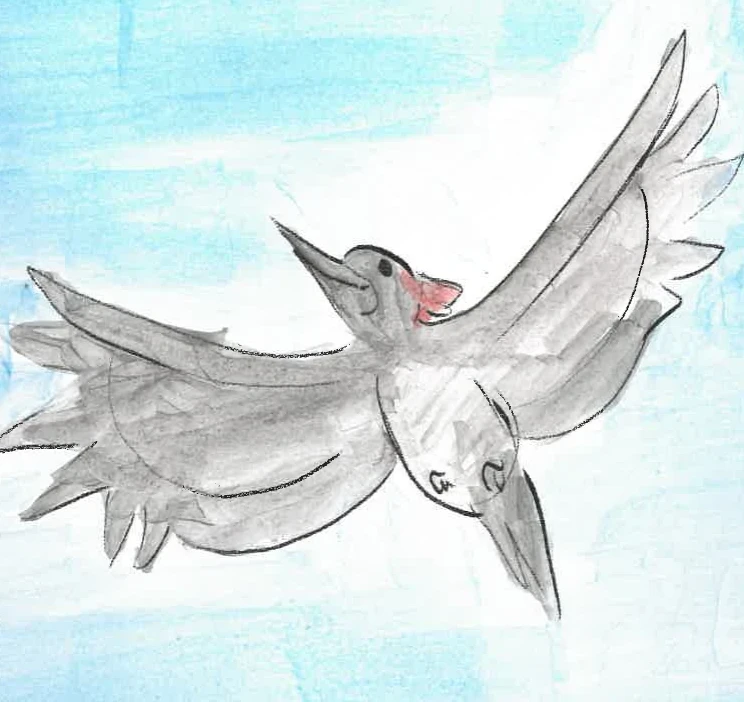
Communication and contribution
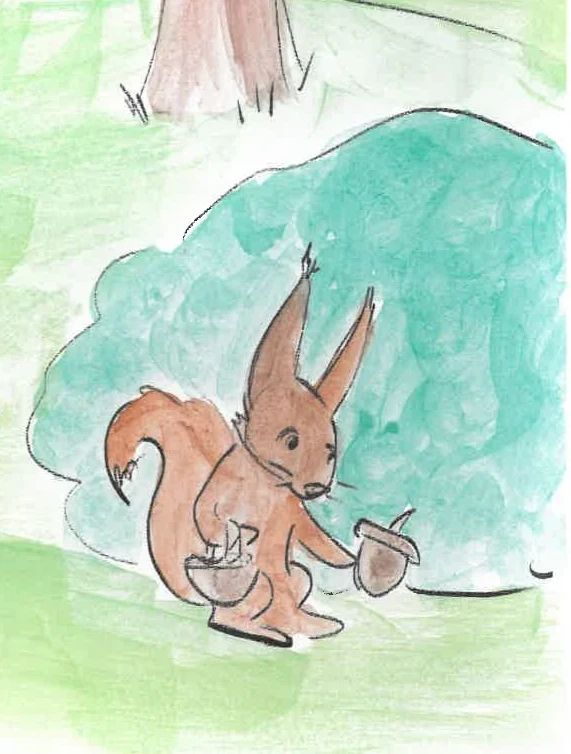
Caution that can learn
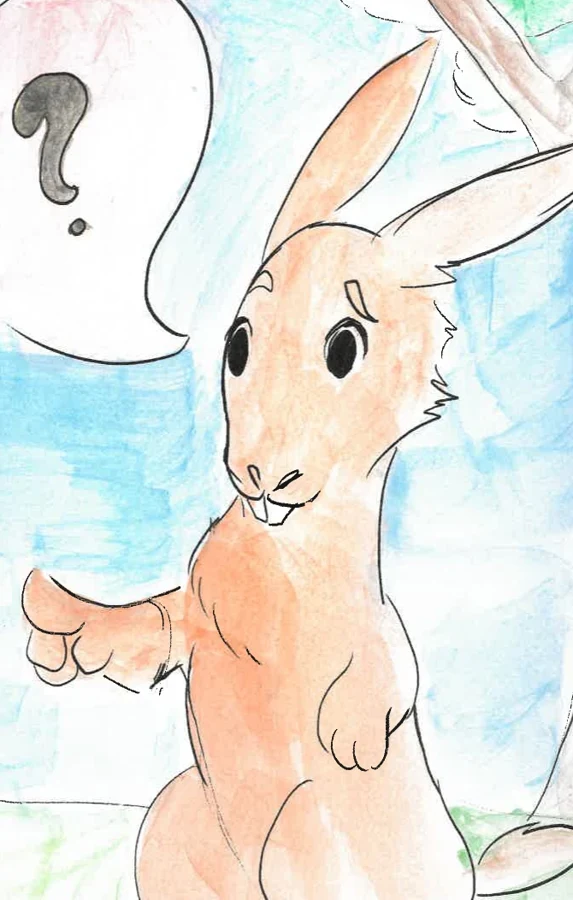
Social courage
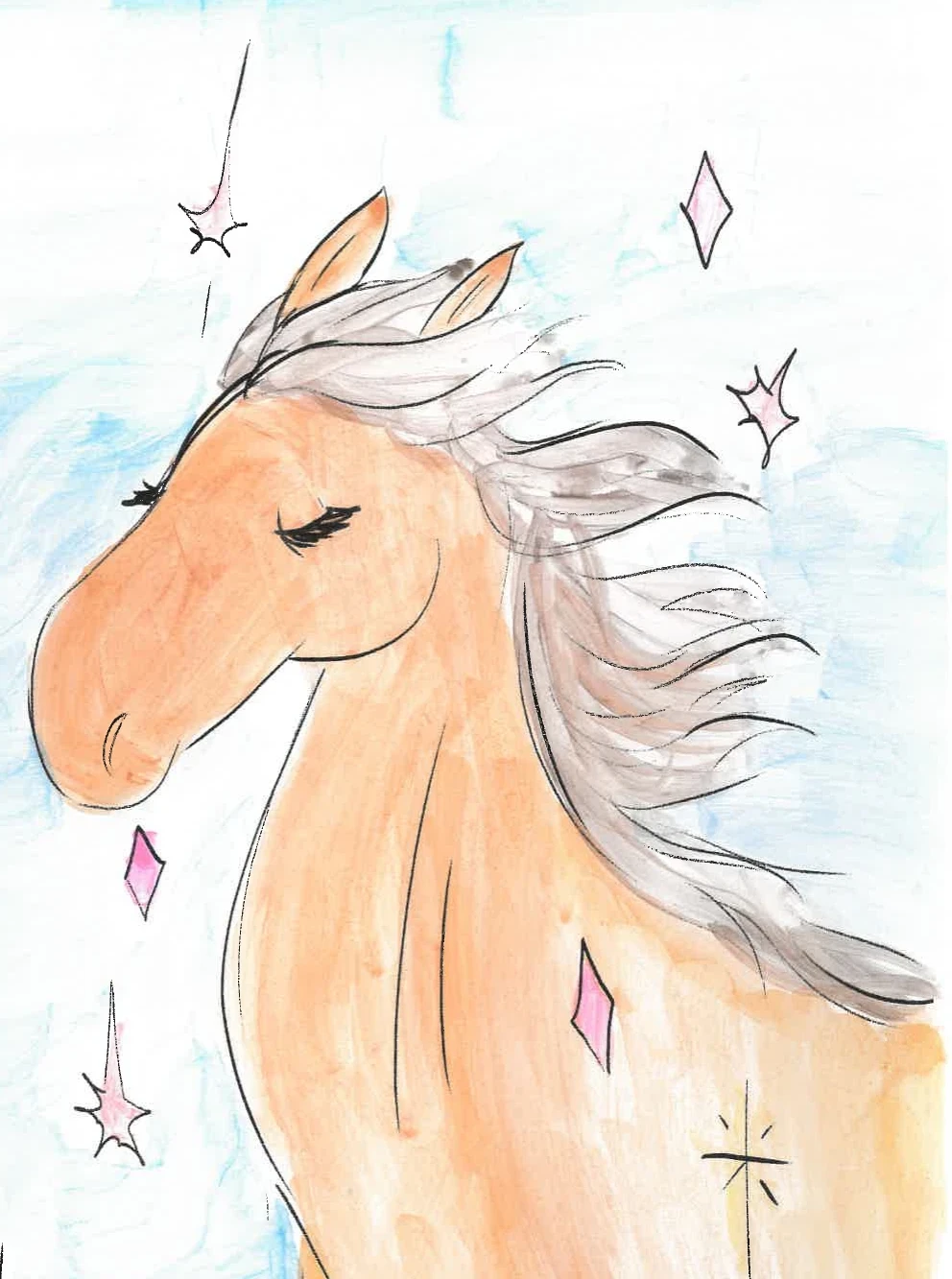
Courage grows step by step
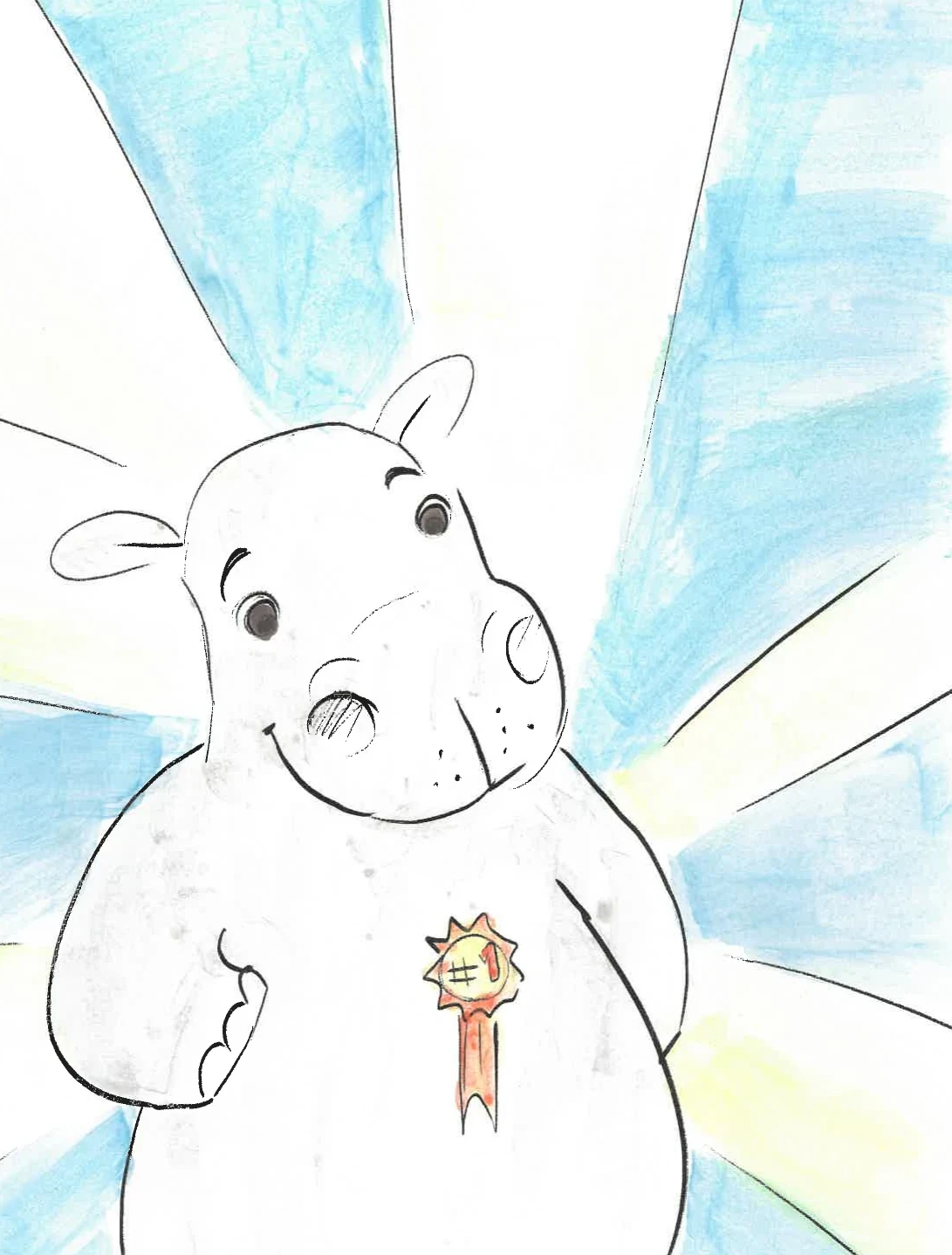
Confidence that makes room
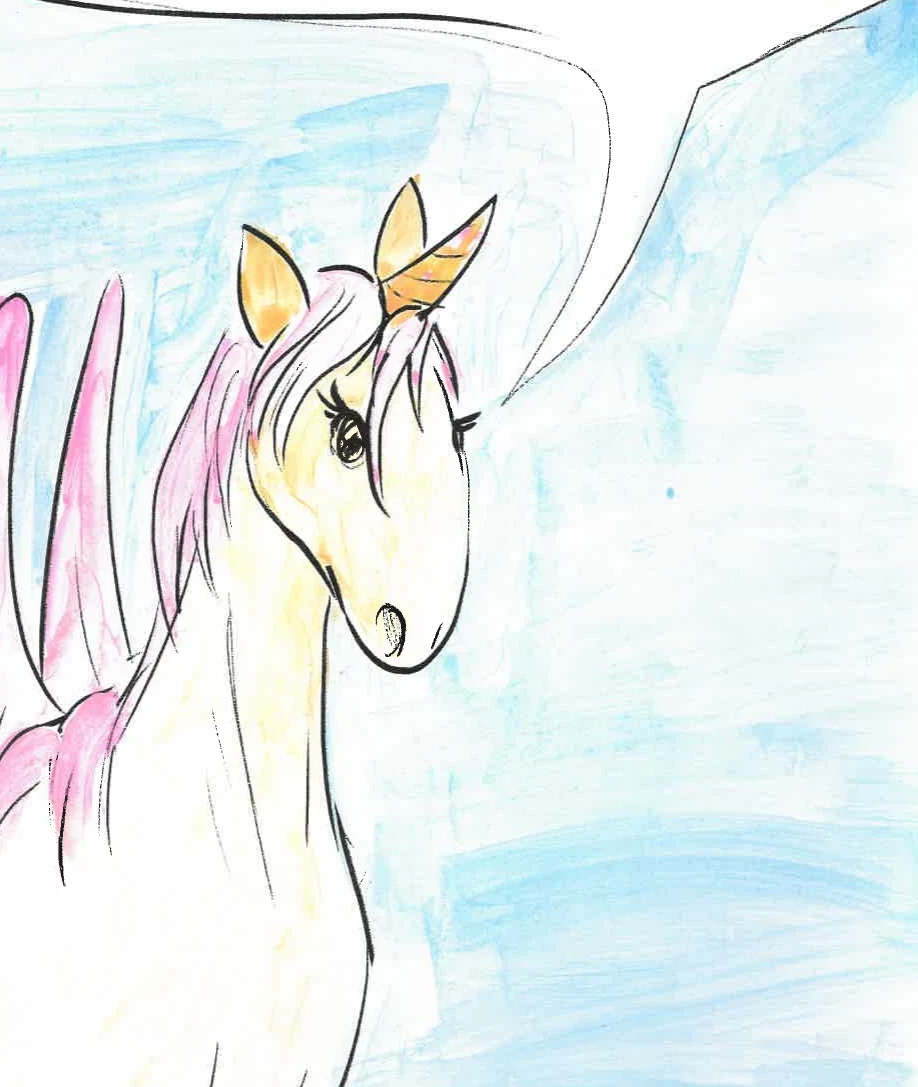
Wonder, vulnerability and finding home
Twelve illustrated adventures, one gentle journey — from finding where you belong all the way to finding your courage.
Billy and the Wild Forest
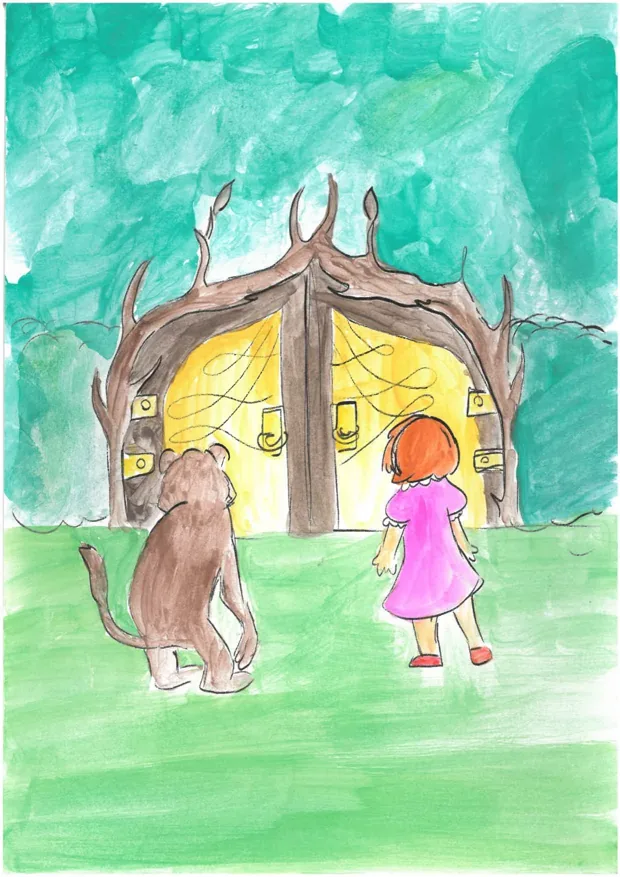
This adventure explores… Being included can change how someone feels.
Open this adventure
Billy and the Wild Forest
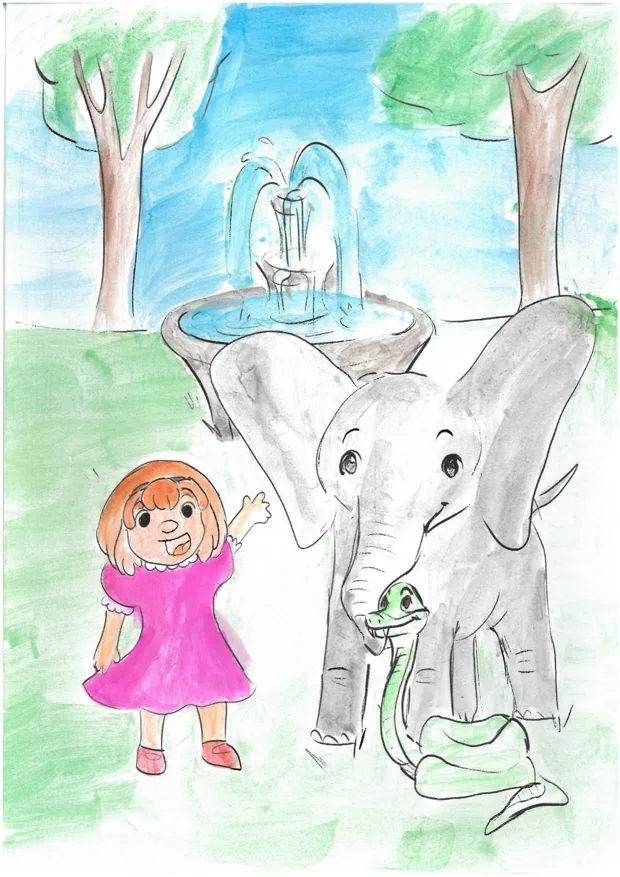
This adventure explores… Bramble discovers that he does not have to move like everybody else to belong.
Open this adventure
Billy and the Wild Forest
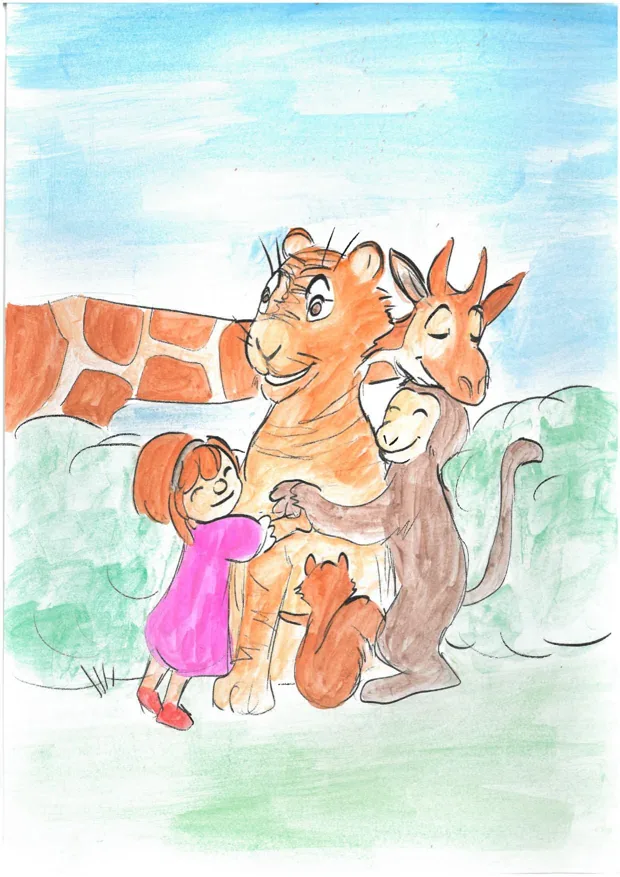
This adventure explores… The enormous tracks feel unfamiliar until Billy wonders whether whoever made them might be feeling unsure too.
Open this adventure
Billy and the Wild Forest
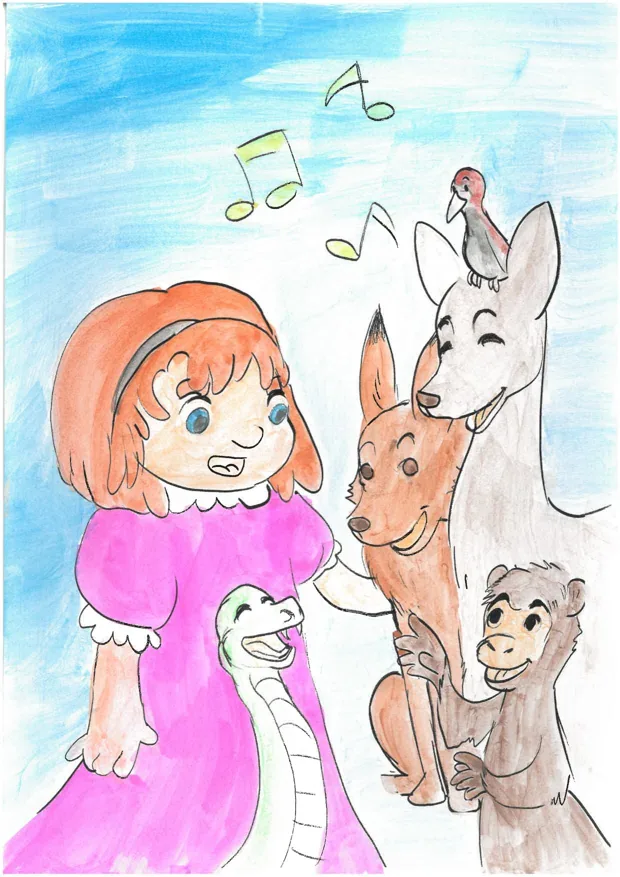
This adventure explores… The forest friends notice change, prepare together and make sure nobody faces winter hungry.
Open this adventure
Billy and the Wild Forest
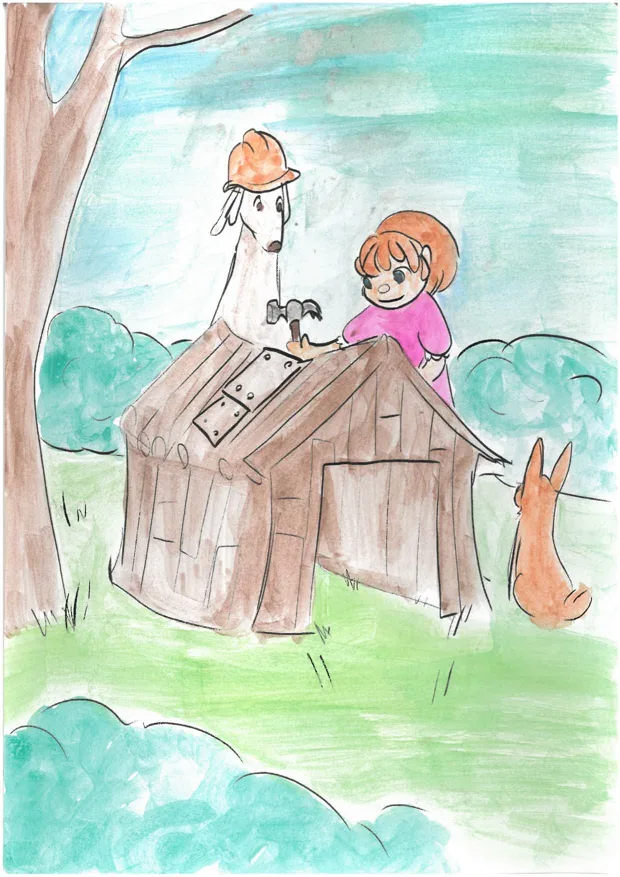
This adventure explores… When Mango's home is damaged, accepting help turns a difficult setback into repair — while the living buds show that new beginnings can grow from broken things.
Open this adventure
Billy and the Wild Forest
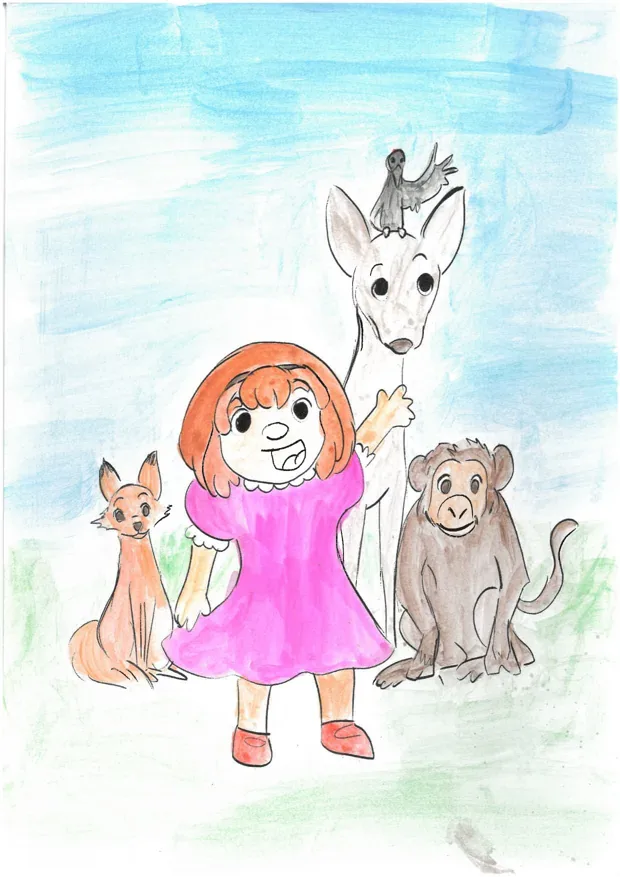
This adventure explores… Billy follows clues with attention and curiosity, discovering that sometimes the best destination is simply being together.
Open this adventure
Billy and the Wild Forest
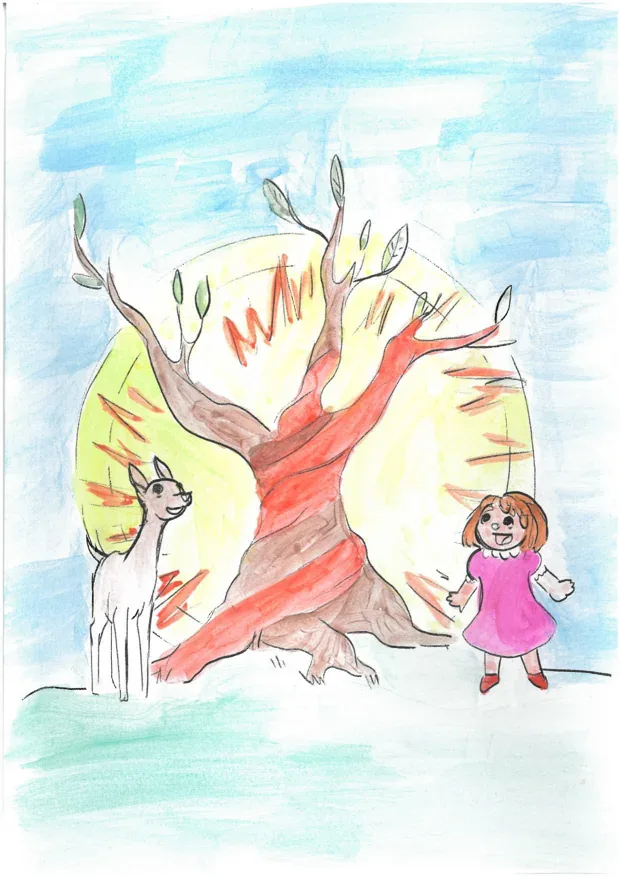
This adventure explores… Fern gets the chance to wish for anything and chooses something everyone can share.
Open this adventure
Billy and the Wild Forest
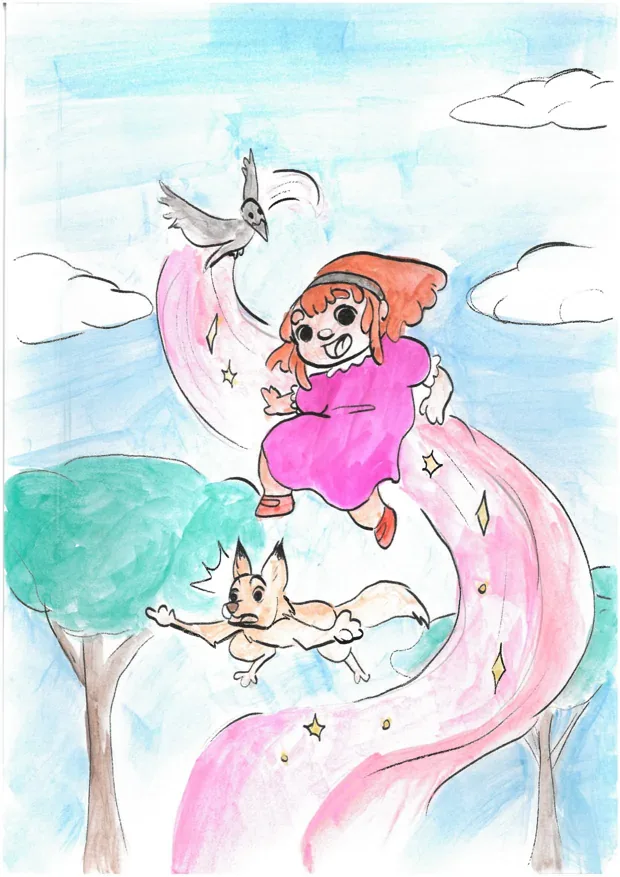
This adventure explores… Pip's dream of flying is celebrated, but the story also lets him discover that he does not need to become someone else to have an extraordinary experience.
Open this adventure
Billy and the Wild Forest
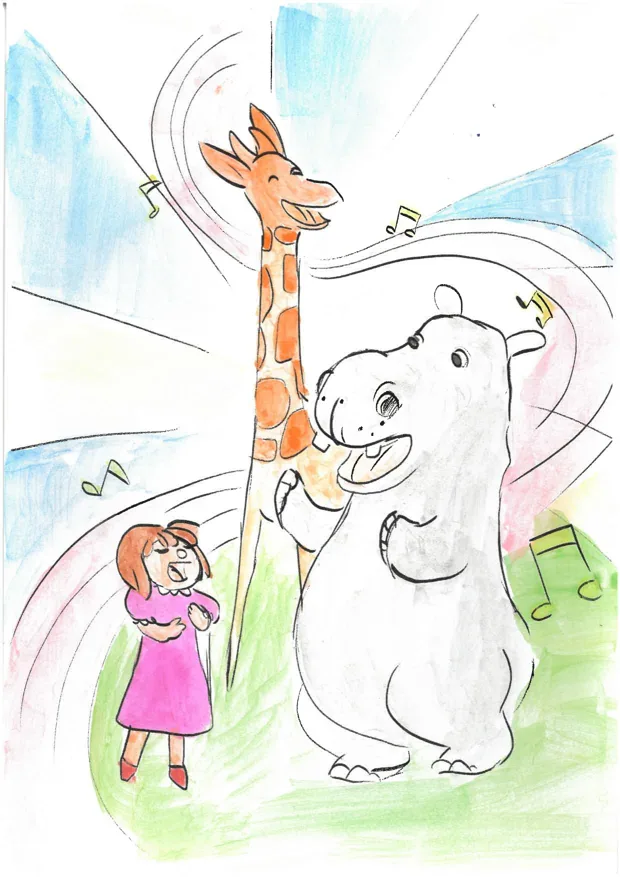
This adventure explores… Willow's quiet voice is not a weaker version of Hugo's big one.
Open this adventure
Billy and the Wild Forest
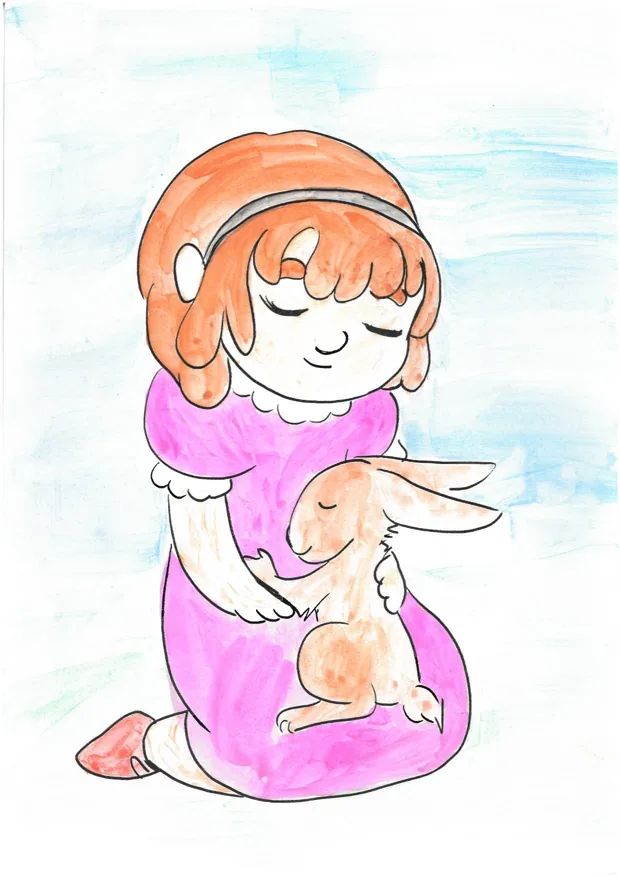
This adventure explores… Clover learns that friendship does not have to happen all at once.
Open this adventure
Billy and the Wild Forest
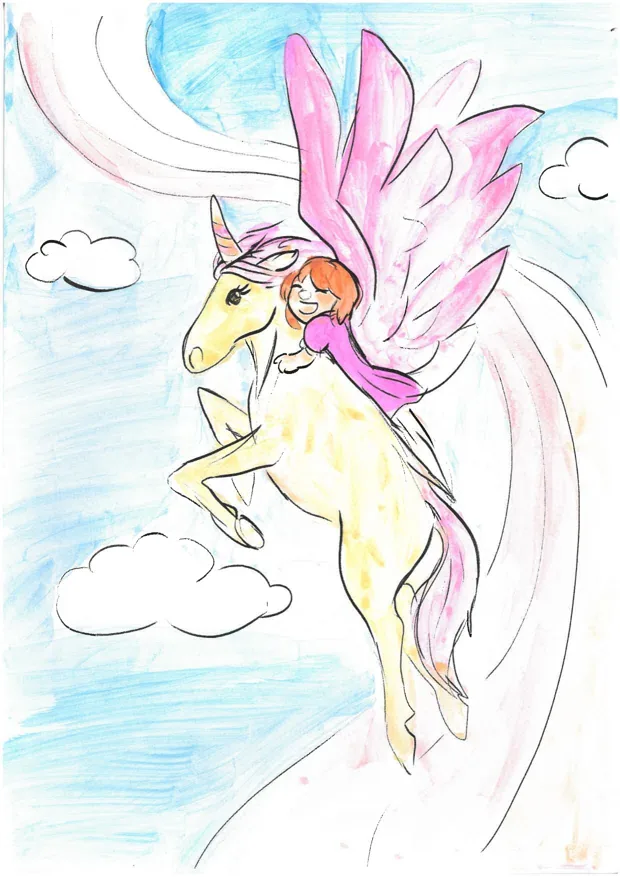
This adventure explores… Luma is lost, says what she needs and lets new friends help her find the way home.
Open this adventure
Billy and the Wild Forest
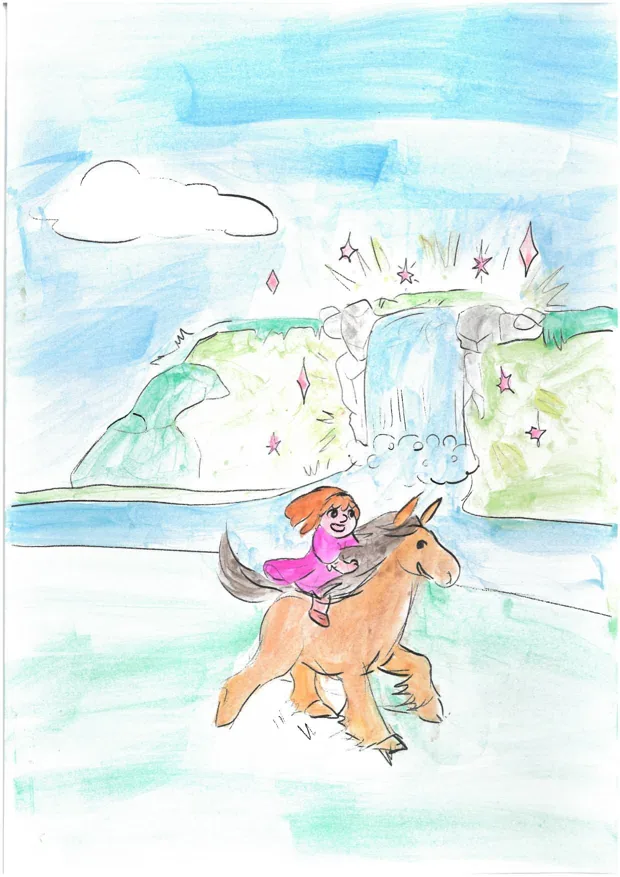
This adventure explores… Billy never tells Ember to stop being afraid.
Open this adventure
Two ways into the forest
Take one adventure home, or walk the whole forest together with a family membership.
Perfect for a first visit
$9.99 one-off, per story
All 12 adventures included
$12.99 per month
A whole year in the Wild Forest
$99 per year
Individual stories stay purchasable at $9.99 whether or not you join. Payments are securely processed by Dodo Payments.
For schools — classroom licences from $995 a yearFor schools
Stories children want to enter. Conversations teachers can build on.
For a whole primary school
$995 per year, up to 300 pupils
Classroom to kitchen table
$1,995 per year, up to 300 pupils
Trusts, federations and multi-site
Custom quote custom quote
Annual licences cover up to 300 pupils. Payments are securely processed by Dodo Payments.
See school detailsInside membership
After each adventure, children step out of the illustrated Wild Forest and into the real world — with genuine wildlife photography and warm, child-friendly facts about the animals they have just met.
Why these stories matter
Children come for the forest. Learning travels home with them.
Every Wild Forest adventure begins with a story children can simply enjoy. Underneath the fun, Billy and her friends meet situations children recognise: feeling left out, worrying about being different, being frightened, making a first friend, finding a voice, helping someone, trying again and finding courage. The books create natural openings for grown-ups and children to talk about feelings, choices, friendship, kindness, curiosity and resilience — without turning storytime into a lesson.
Noticing who is alone, making room, and beginning again together.
Naming what characters feel, and wondering why they feel it.
Quiet voices, big voices, and the right to be heard either way.
Sharing, planning together, and choosing what helps everyone.
Following clues, asking questions and looking twice.
Small steps, second tries, and staying beside someone who feels unsure.
Billy and the Wild Forest
Being included can change how someone feels. Billy's first adventure shows how noticing loneliness and making room for someone new can begin a friendship.
Billy and the Wild Forest
The enormous tracks feel unfamiliar until Billy wonders whether whoever made them might be feeling unsure too. The mystery becomes a gentle lesson in looking again before deciding what someone is like.
Billy and the Wild Forest
Willow's quiet voice is not a weaker version of Hugo's big one. The song only becomes complete when different voices are heard together.
Billy and the Wild Forest
Billy never tells Ember to stop being afraid. She makes the challenge smaller and stays beside him until he is ready to take the next step.
Across the full collection the journey moves from belong → be yourself → understand others → cooperate → recover → explore → share → dream → find your voice → make friends → help others → find courage.
The child gets the adventure first: mystery, humour, animals, friendship and imagination.
Each book gives grown-ups simple questions about what a character felt, why they made a choice and what the child might do in a similar situation.
From Book 3: “Have you ever changed your mind about something after learning more?”
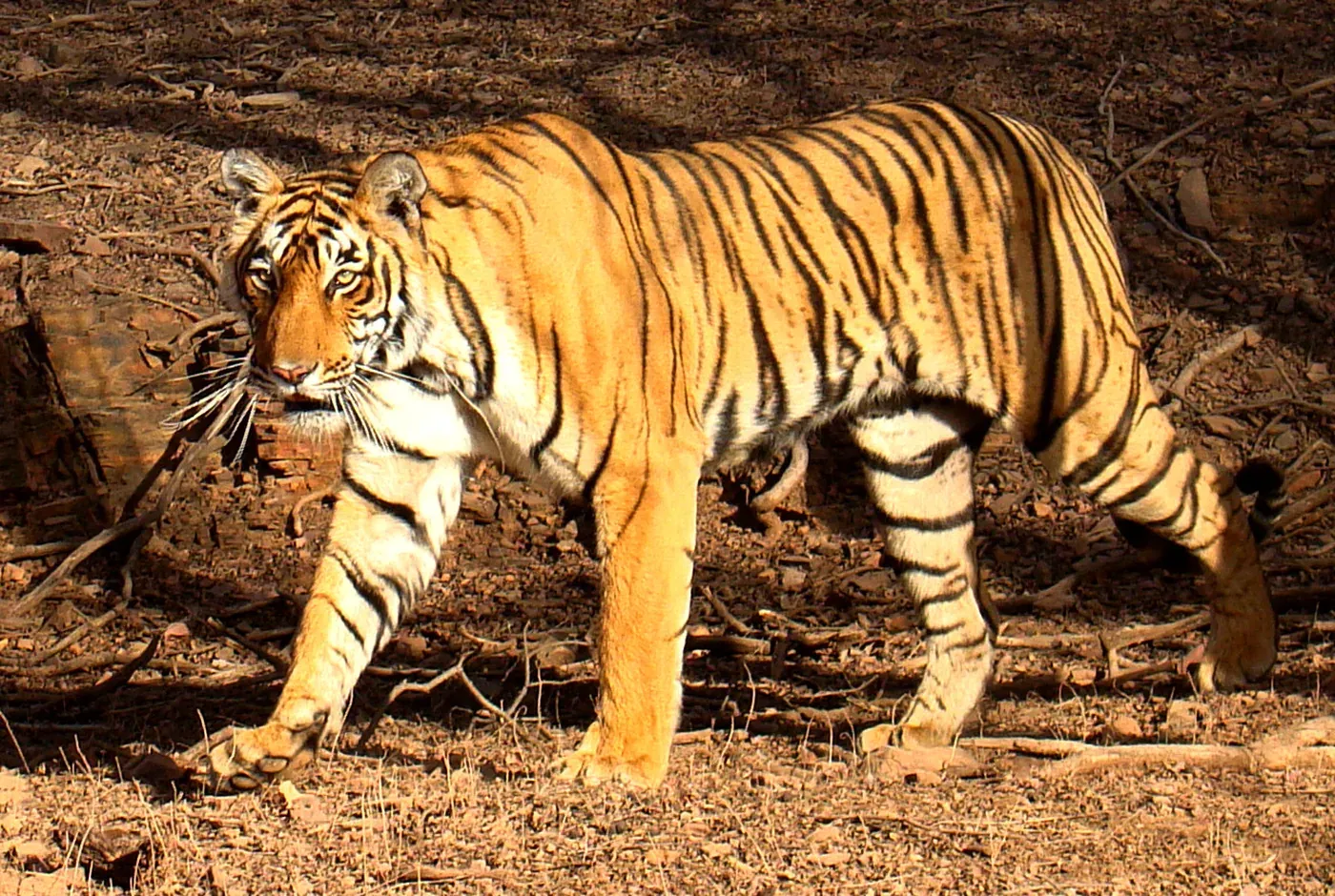
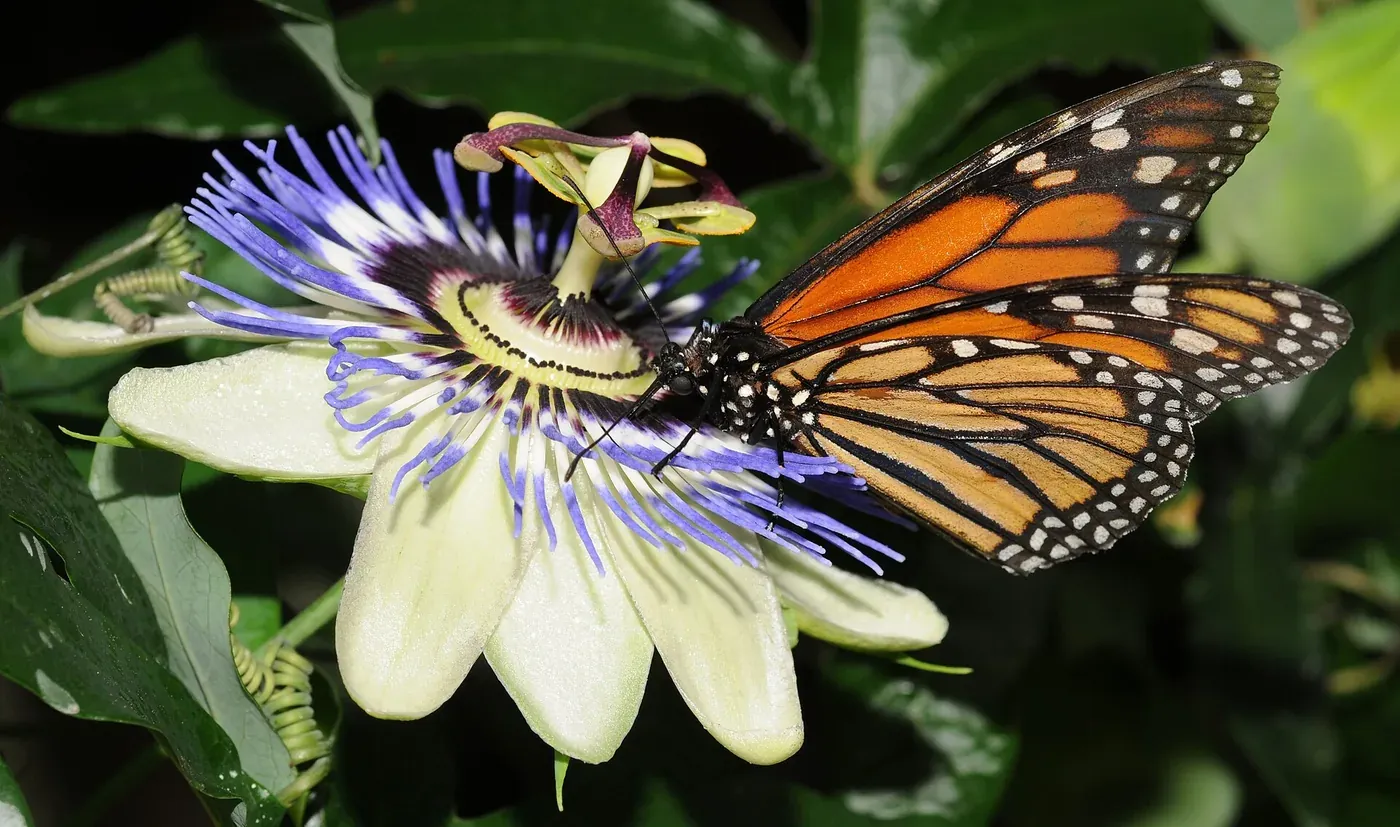
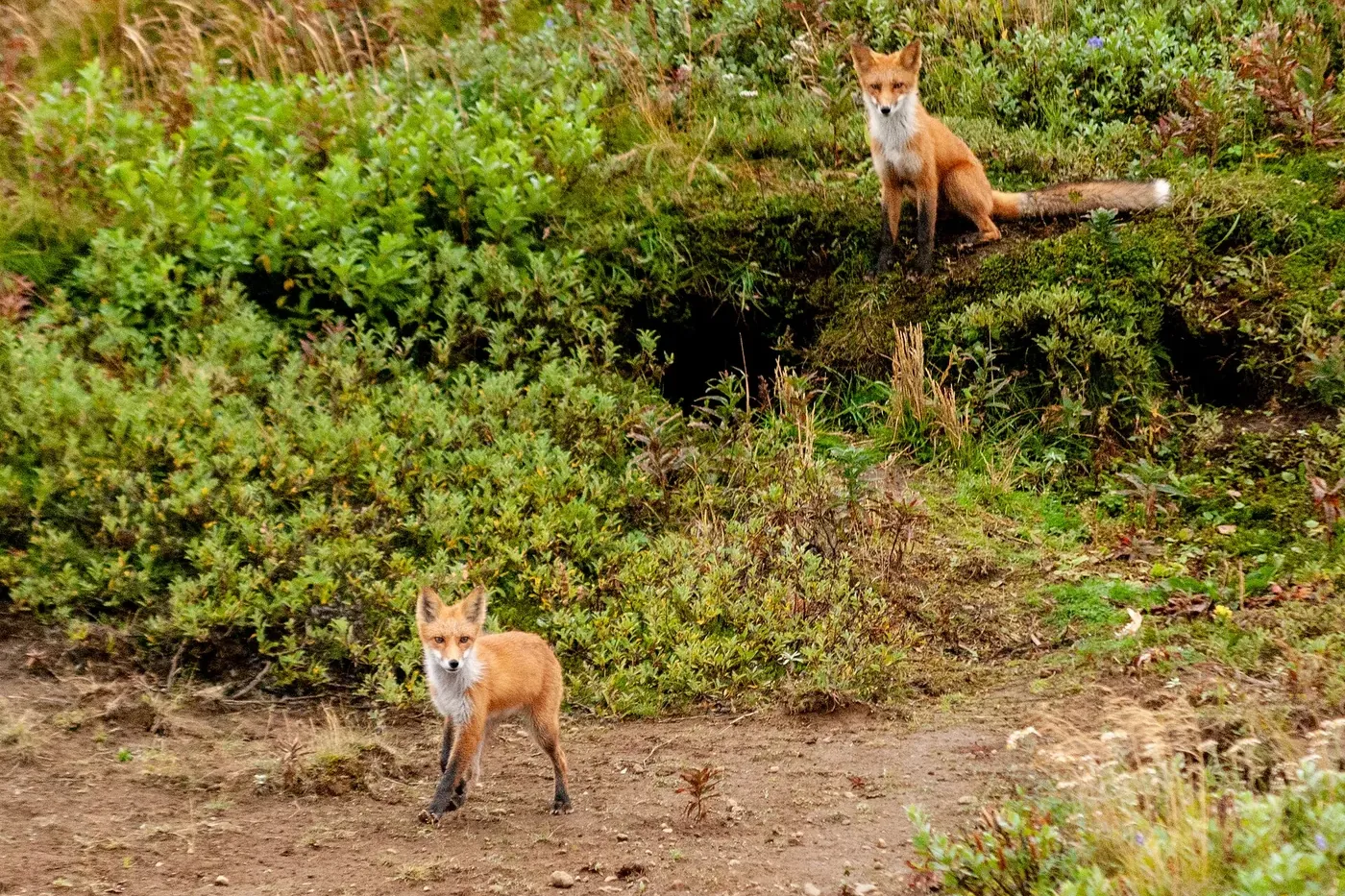
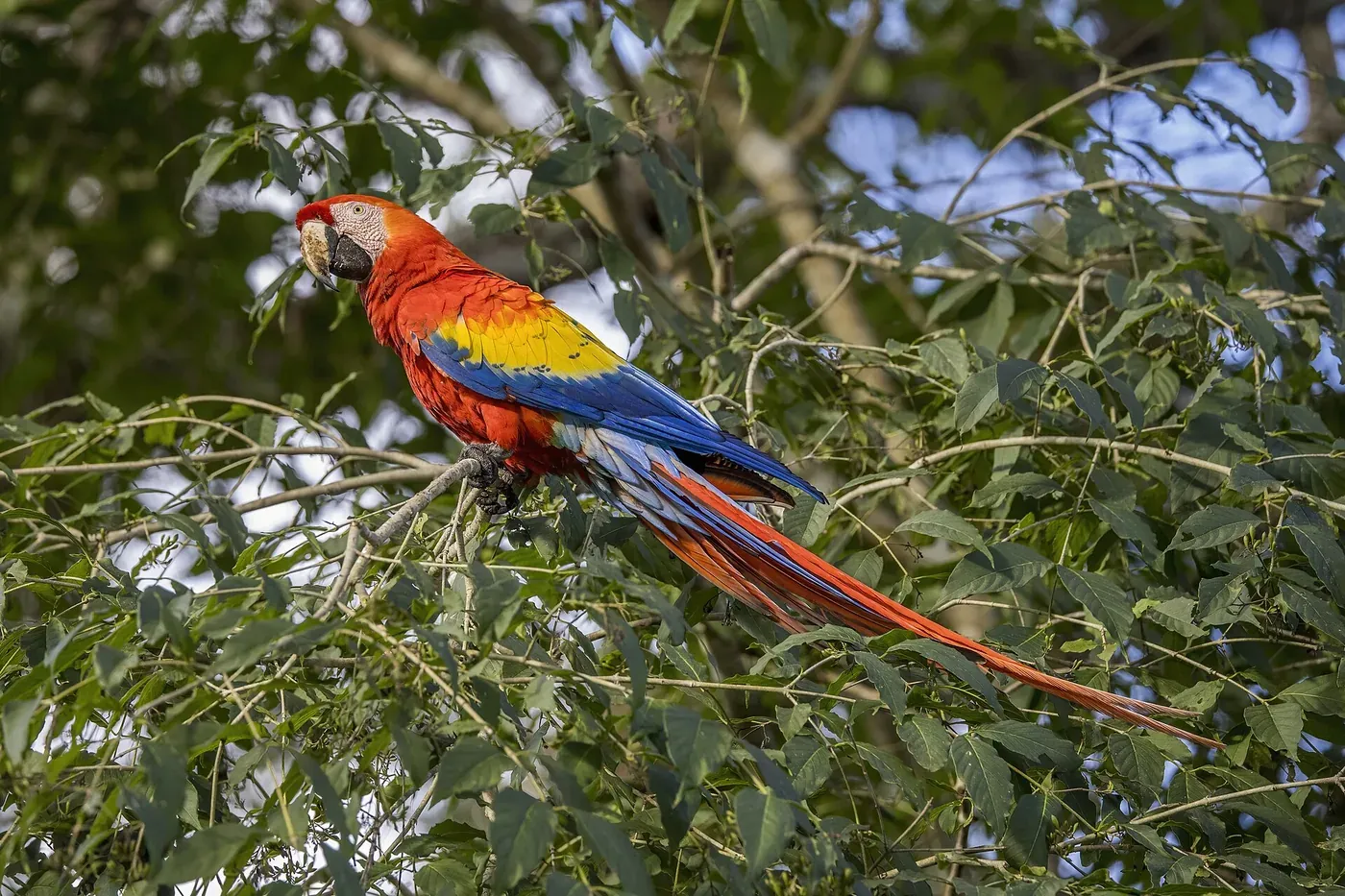
Real-world animal and nature facts sit beside the fantasy, clearly labelled, so a talking tiger stays magical while children can still learn that tigers are big cats, butterflies are insects, rabbits are lagomorphs and a pegasus is imaginary.
Curiosity with courage
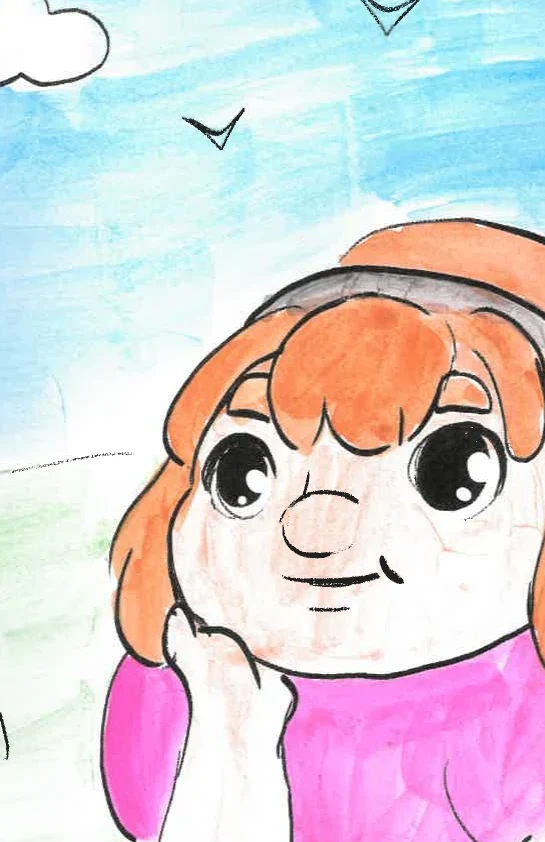
Billy notices how others feel, asks questions and helps without taking over. She models empathy, gentle leadership and the idea that courage can begin with one small step.
Your own rhythm
Bramble worries that his big feet make him wrong for the dance, then discovers the music needs exactly what makes him different.
A quiet voice still matters
Willow can see far across the forest yet struggles to believe her soft voice belongs. She represents quiet confidence, observation and self-expression.
Courage grows step by step
Ember does not become fearless. He learns the path gradually and builds trust, showing persistence and supported courage.
And every friend has a part to play — from Mango’s welcome and optimism to Rumble’s gentle strength, Sisi’s care, Fern’s generosity, Clover’s social courage and Luma’s wonder.
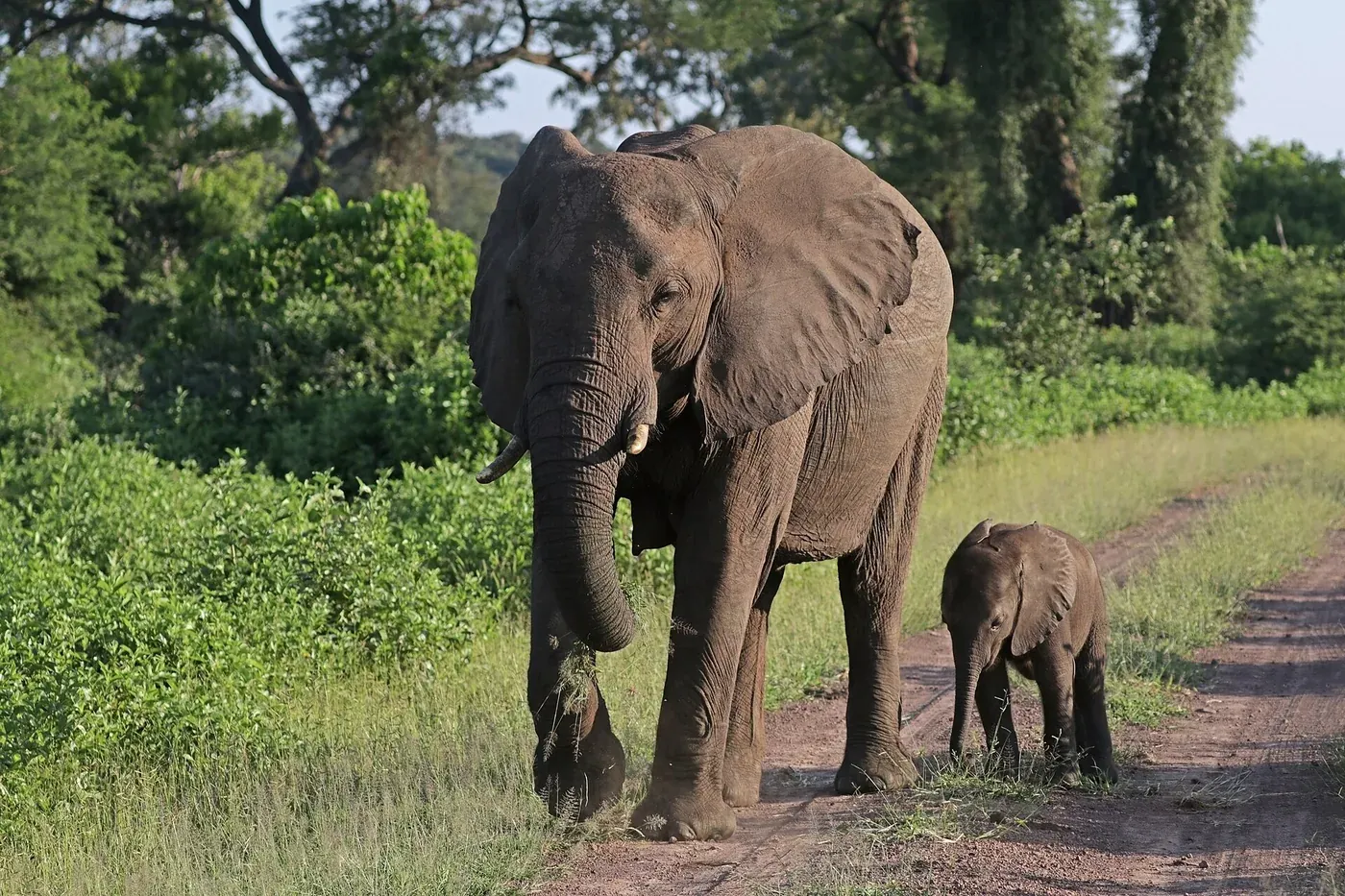
Meet what every character bringsThe stories introduce children to monkeys, tigers, snakes, elephants, giraffes, deer, foxes, parrots, squirrels, rabbits, horses, hippos and butterflies — while the real-world cards keep factual learning separate from the characters’ magical behaviour. Children can notice animal groups, movement, tracks, seasons, sound, growth and the difference between real and imaginary creatures.
In the real world…
Mammal · big cat
Tigers are the largest cat species.
Pawprints are clues: different animals leave different tracks.
In the real world…
Insect
Butterflies have six legs.
Following a sequence of clues, one after another.
In the real world…
Mammal · lagomorph (not a rodent)
Lagomorphs are plant-eaters.
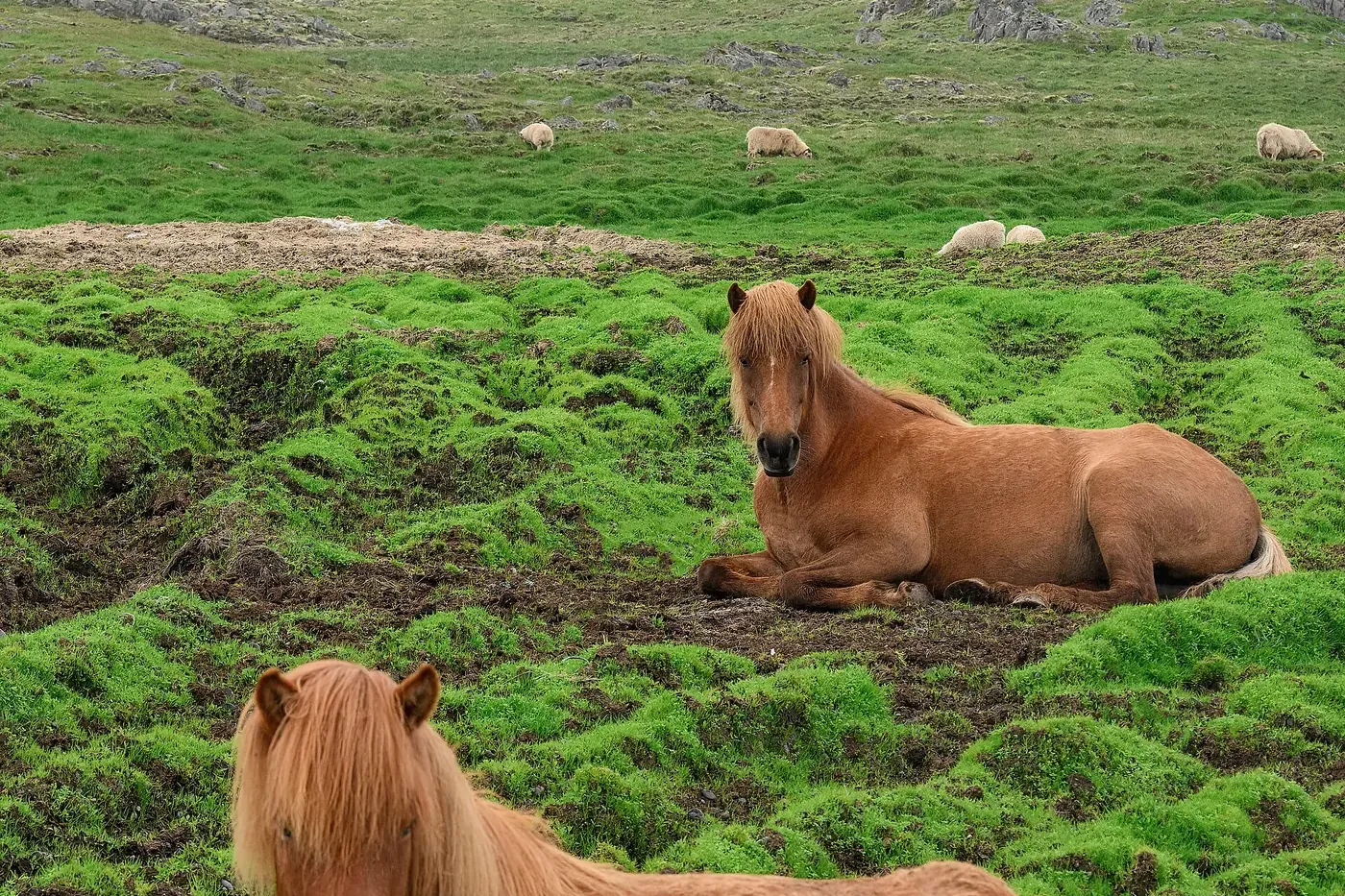
In the real world…
Mammal · equid
Horses are plant-eaters and social animals.
Movement words to try together: walk, trot, canter, gallop, leap.
In the Wild Forest…
Mythical creature — not a real animal
A pegasus is imaginary: it comes from old stories, not from nature.
Billy and the Wild Forest has not been clinically tested as an educational intervention. The learning layer is informed by wider research on shared storybook reading and conversation with children.
A meta-analysis of 38 studies with 2,455 children reported that shared storybook reading supported new-word learning.
View research — PubMed · PMID 29595311A review and meta-analysis of 19 randomised trials with 2,594 children found that book-sharing interventions improved expressive and receptive language.
View research — PubMed · PMID 30737957Research found that discussing characters' emotions, beliefs and choices can support children's understanding of emotions and perspectives.
View research — PubMed · PMID 21426620The Wild Forest is designed to be enjoyed as a story world first. The added learning layer gives parents more: a reason to talk, notice, wonder and discover together — across twelve adventures that grow from belonging to courage.
Every page is scanned from the original illustrated books.
A real page-turning reader on phone, tablet and desktop.
Three free pages of every book, no account needed.
Read the stories in your family's language.
No ads, no feeds, no child profiles. Ever.
Christine King imagined the Wild Forest story world when she was young, and the early project grew into twelve illustrated books. Those original illustrated pages are the heart of this series.
Read Christine's story